

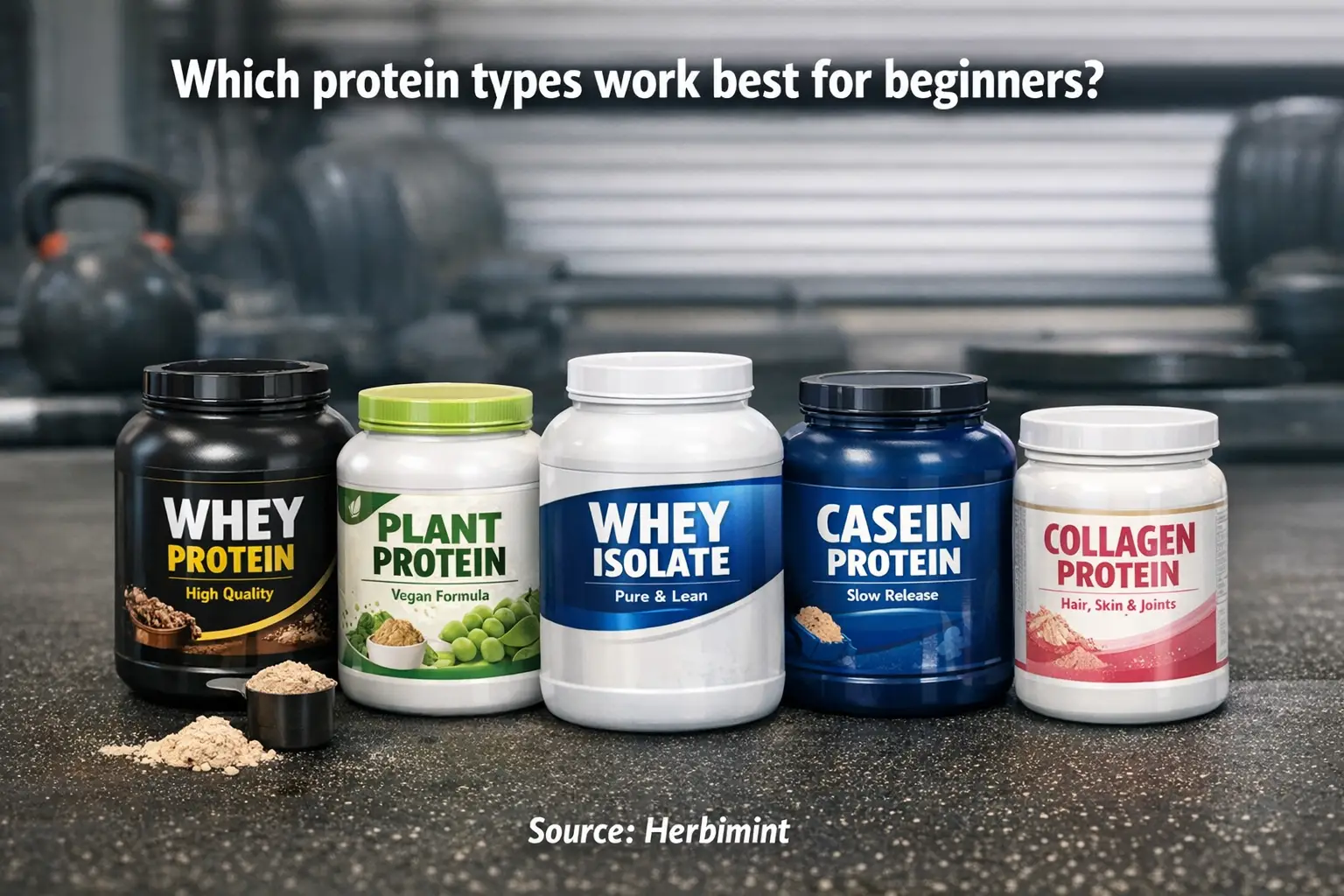
Why Beginners Need Protein Powder
Protein is the fundamental building block of muscle tissue. When you exercise, especially in resistance or strength training, your muscle fibers experience micro-tears. Your body fixes tears with amino acids from protein in your diet, which makes muscles bigger and stronger over time.
Most beginners struggle to hit their daily protein targets through food alone. A typical sedentary adult needs around 0.8g of protein per kilogram of body weight. But as soon as you add consistent training to your routine, that number climbs significantly. For an active beginner weighing 70 kg, that target can jump to 105-140 grams of protein daily.
The Reality of Whole-Food Protein Sources
Whole foods like chicken breast, eggs, Greek yogurt, and legumes are always the first recommendation. However, they come with practical limitations, such as cost, preparation time, caloric load, and digestibility. Protein powder effectively bridges that gap.
A single serving of quality whey protein typically delivers 20-25 grams of complete protein in under 150 calories. That’s the caloric equivalent of roughly three large eggs, but in a form you can consume in 90 seconds.
When Protein Timing Is Important for Beginners
The post-workout anabolic window, the 30-to-60-minute period after training, is when your muscles are most receptive to protein intake. Beginners who consistently consume protein during this window often report faster recovery times and reduced next-day muscle soreness. Protein powder makes this timing practical in a way that whole foods often don’t.
Types of Protein Powders Suitable for Beginners
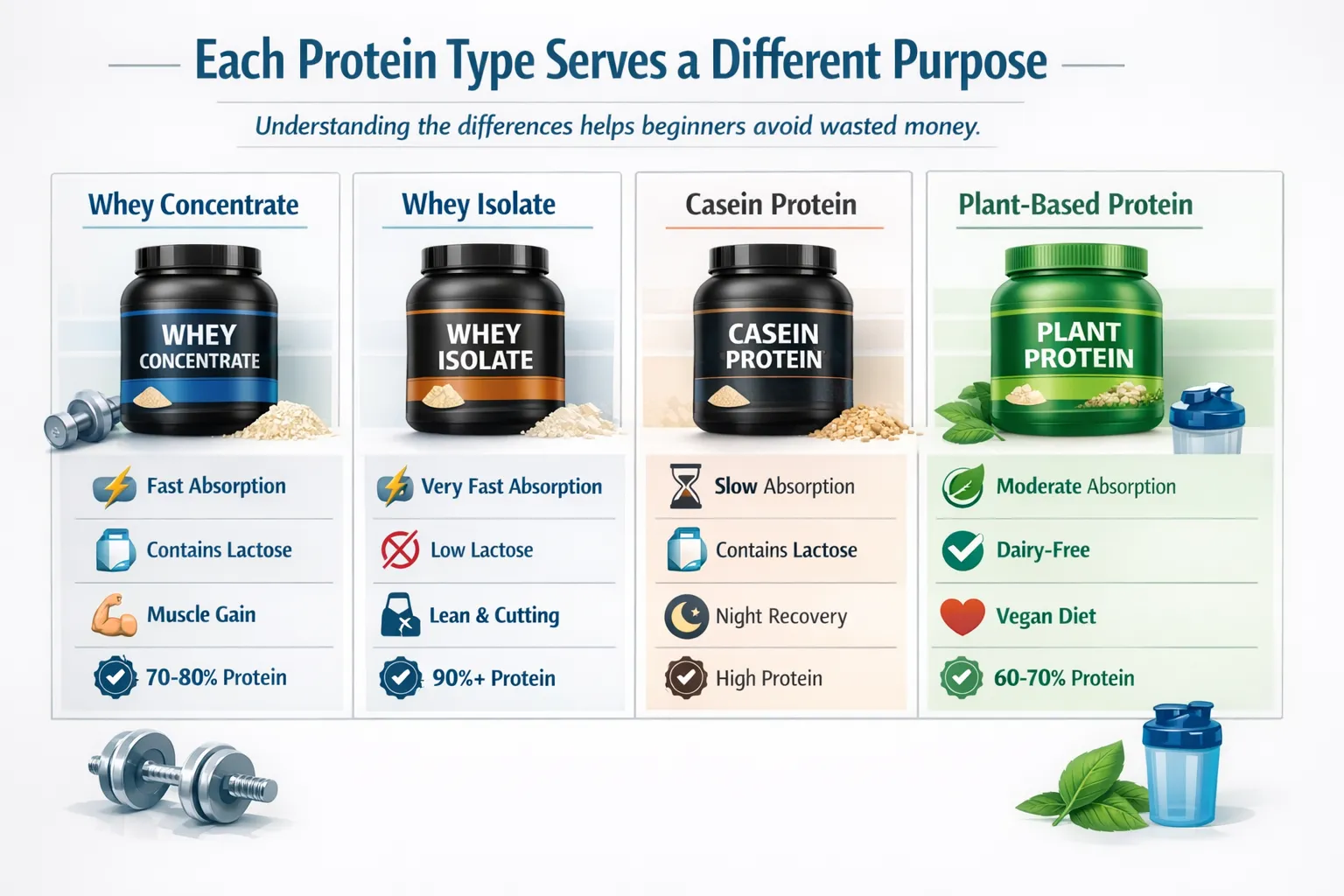
Understanding the landscape of protein supplement types is essential before making your first purchase. Each type has distinct properties, advantages, and limitations.
Whey Protein Concentrate (WPC)
Whey protein concentrate is derived from cow’s milk during the cheese-making process. It typically contains 70-80% protein by weight and retains some naturally occurring lactose and fat.
Pros:
- Most cost-effective option on the market
- Rich in branched-chain amino acids (BCAAs)
- Pleasant taste and wide flavor variety
- Contains beneficial immunoglobulins and growth factors
Cons:
- Not ideal for people with lactose sensitivity
- Slightly lower protein-per-serving ratio compared to isolates
- Can cause bloating in sensitive individuals
Whey Protein Isolate (WPI)
Whey isolate undergoes additional filtration to remove most of the fat and lactose. The result is a product that is 90%+ protein by weight and absorbs rapidly into the bloodstream.
Pros:
- Faster amino acid delivery to muscles
- Significantly lower lactose content
- Better option for those managing caloric intake
Cons:
- More expensive per serving
- Some beneficial factors are removed during processing.
Casein Protein
Casein is the slow-digesting cousin of whey. It forms a gel in the stomach, releasing amino acids gradually over 5-7 hours. This makes it ideal for nighttime use to support overnight muscle recovery.
Pros:
- Sustained amino acid release
- Excellent for reducing muscle breakdown during sleep
- High in glutamine, which supports immune function.
Cons:
- Not suitable for post-workout use due to slow absorption
- Thicker texture that some users find unappealing
Plant-Based Protein Powders
Plant proteins have improved dramatically in quality and taste over the past decade. Pea protein, brown rice protein, hemp protein, and soy protein are the most common options. A pea and rice protein blend is seen as the most complete plant-based protein because it fills in the amino acid gaps of each source.
Pros:
- Suitable for vegans and lactose-intolerant individuals.
- Contains fiber and phytonutrients
- Environmentally sustainable
Cons:
- Often lower in leucine compared to whey
- May require higher serving sizes to match whey’s muscle-building effect.
- Texture and taste can vary significantly between brands.
Egg White Protein
Egg white protein is a high-quality, lactose-free alternative that offers a complete amino acid profile. It absorbs at a moderate rate, faster than casein, slower than whey isolate.
Pros:
- Excellent option for dairy-free individuals who aren’t vegan
- High biological value
- Mild flavor
Cons:
- More expensive than whey options
- Less widely available
What Protein Powder Is Easiest for Beginners to Digest?
Digestive comfort is one of the most overlooked factors when beginners choose their first protein supplement. If a product causes bloating, gas, or cramps, people will stop using it, no matter its effectiveness.
Digestibility Rankings for Common Protein Types
Whey protein isolate tops the digestibility list for animal-based options because its lactose content is minimal (often under 1%). Most people who consider themselves lactose-sensitive can tolerate it without issues.
Egg white protein ranks as the second easiest to digest. It contains no lactose and is low in fat, which reduces the digestive burden significantly.
Pea protein is the standout winner in the plant-based category. It is hypoallergenic, easy on the stomach, and does not often cause gas or bloating as soy or hemp proteins do.
Ingredients That Affect Digestive Tolerance
Beyond the protein source itself, look for formulas that include digestive enzymes such as protease, lactase, and bromelain. These enzymes help break down protein chains more efficiently. Products that include a probiotic blend can further support gut health during high-protein phases of training.
Artificial sweeteners like sucralose and acesulfame potassium are common culprits behind digestive discomfort. If you’re facing ongoing stomach issues, using stevia or monk fruit for sweetness could be a helpful first step.
How to Choose the Right Protein Powder for Your Goals
Selecting the best protein powder requires you to consider what works for you and your fitness objectives.
Step 1: Define Your Primary Goal
- Muscle gain: Prioritize whey concentrate or isolate with a serving size of 24–30 g protein
- Weight loss: Look for isolates under 150 calories per serving with minimal added sugars.
- General health and recovery: A plant-based blend or egg white protein works well.
- Nighttime recovery: Casein protein before bed is the evidence-backed choice
Step 2: Check the Ingredient Label
Always read the supplement facts panel before purchasing. Warning signs include added sugars above 5g per serving, artificial colors, proprietary blends with hidden ingredient details, and maltodextrin as a leading ingredient.
Third-party certifications from groups like NSF International or Informed Sport show that the product has been tested for purity and label accuracy.
Step 3: Consider Dietary Restrictions
Your protein choice must align with your dietary framework. Lactose intolerance, veganism, egg allergies, and soy sensitivities all affect which products are appropriate. For beginners, comparing supplement brands on a trusted site such as Herbimint helps clarify options based on verified dietary compatibility.
Step 4: Evaluate Cost Per Serving
Price per serving is more meaningful than price per tub. A larger container at a higher total cost often delivers a lower cost per serving. Industry benchmarks suggest that quality protein supplements should cost between $1.00 and $2.50 per serving. Anything significantly below that range warrants closer scrutiny of ingredient quality.
Step 5: Start With a Single Tub
Taste fatigue can be a challenge. Before committing to bulk orders, purchase a single serving or a small tub to test how your body responds. Many brands offer sample packs specifically for this reason.
Why Do Doctors Say No to Protein Powder?
While protein supplementation has its risks, the medical caution surrounding it is based on valid reasons, although sometimes overemphasized.
The Valid Concerns
Doctors and registered dietitians most often raise concerns in specific contexts. People with pre-existing kidney disease are advised to limit high-protein diets because the kidneys process nitrogen waste from protein metabolism. Excess protein intake when kidney function is already impaired can accelerate damage.
It is safe for healthy people with normal kidney function to consume protein at levels up to 2.2g per kilogram of body weight daily, as per major sports nutrition authorities.
Hidden Ingredients and Quality Control
A broader concern is the quality control gap in the supplement industry. Unlike pharmaceutical drugs, protein powders are not FDA-regulated before sale. Third-party testing scandals have revealed products containing heavy metals, undisclosed stimulants, or protein content significantly below what the label claims.
This is why transparent sourcing, third-party certification, and brand reputation matter. Comparable to Herbimint, sites that compile and compare supplement brands empower beginners with a trustworthy framework for identifying reliable manufacturers.
The Bottom Line
Not all doctors oppose the use of protein powder. They advise against the careless use of supplements, not knowing your dietary protein level, purchasing unverified products, or using protein shakes as meal substitutes without professional help. For an otherwise healthy beginner following a structured fitness plan, quality protein supplementation is broadly considered safe and beneficial. The Harvard T.H. Chan School of Public Health notes that the source and quality of dietary protein matter as much as quantity.
Common Question: People also ask
What is a good protein to start with?
For most beginners, whey protein concentrate is the best starting point. It provides a complete amino acid profile, is widely available, and is the most cost-effective option on the market. If you’re lactose-sensitive or vegan, a pea and rice protein blend is the recommended alternative. Start with a reputable brand that has third-party testing and offers at least 20 g of protein per serving.
How to get 100% protein daily?
Fulfilling your daily protein requirements calls for the effective integration of whole food sources along with strategic supplementation. A beginner weighing 70 kg can achieve 140 g of daily protein with: 3 eggs at breakfast (18 g), Greek yogurt snack (15 g), chicken breast for lunch (35 g), a post-workout protein shake (25 g), and salmon for dinner (35 g). This provides around 128–140 g while keeping meal preparations simple. Tracking your intake for two to three weeks using a nutrition app helps identify and close gaps.
What are 7 foods rich in protein?
Seven of the highest-quality protein-rich foods include: (1) chicken breast, (2) eggs, (3) Greek yogurt, (4) canned tuna, (5) lentils, (6) cottage cheese, and (7) edamame. These options vary in cost, preparation requirements, and amino acid completeness, making them suitable for different dietary patterns and budgets.
Which protein is best for daily use?
For daily, long-term use, whey protein isolate or a high-quality pea-rice blend is a strong option. They are easily digestible, complete in their amino acid profiles, and well-tolerated by most people over extended periods. Using a mix of animal and plant proteins can improve gut health and diminish the chance of food sensitivities due to frequent exposure to one type of protein.
What is poor man’s protein?
“Poor man’s protein” refers to affordable, high-protein whole foods that deliver strong nutritional value without the premium price tag. Eggs usually cost less than $3 per dozen and supply approximately 72 grams of complete protein. Other budget-friendly protein sources include canned tuna, chicken thighs, lentils, chickpeas, and cottage cheese. Whole-food sources are better nutrition-wise than costly protein powders and should be the basis of a beginner’s diet.