

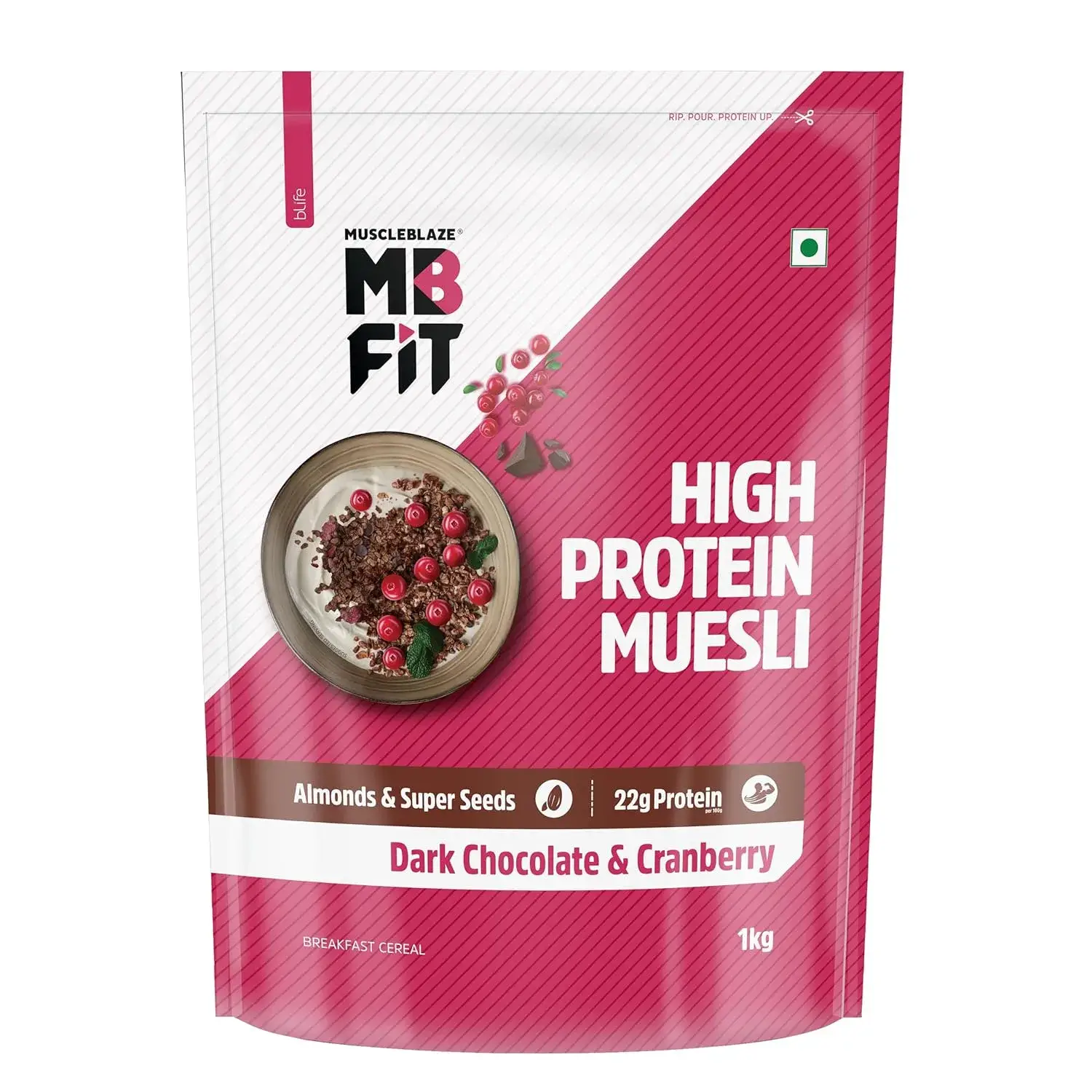
Why Muesli Deserves a Place in Your Morning Routine
Starting your day with the right fuel can transform your energy levels, focus, and overall well-being. High-protein muesli is a tasty and quick breakfast that offers nutrition and convenience for health-focused individuals.
Unlike sugary cereals, muesli’s mix of rolled oats, nuts, seeds, and dried fruit delivers long-lasting energy in the morning. When enhanced with protein-rich ingredients, this Swiss-inspired dish becomes a powerhouse meal that supports muscle maintenance, satiety, and metabolic health.
What Makes Muesli a Nutritious Breakfast Choice?
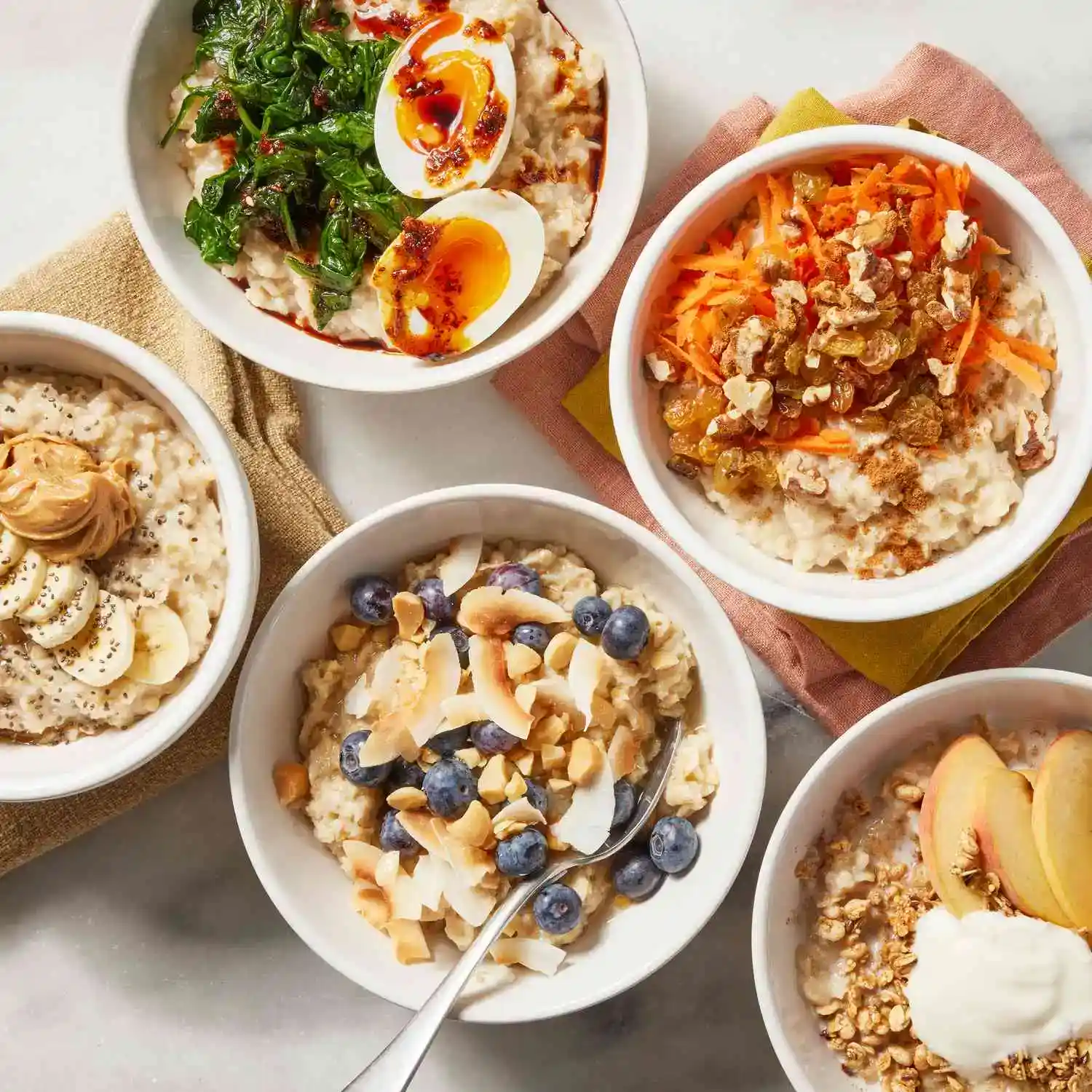
The Nutritional Foundation
Muesli centers on rolled oats, a whole grain rich in complex carbohydrates, fiber, and essential minerals. Adding nuts and seeds increases protein and offers healthy fats that support brain and heart health. This natural combination creates a breakfast cereal that nourishes rather than merely fills.
The beauty of muesli lies in its versatility. You can have it cold with milk or yogurt, turn it into overnight oats for easier digestion, or make bircher muesli by soaking it in juice for a creamy, no-cook dish.
Key Ingredients That Boost Protein Content
To create high-protein muesli, focus on these essential ingredients:
Protein-Rich Base Components:
- Rolled oats (5-6 g protein per cup)
- Almonds, walnuts, or cashews (6-7g protein per quarter cup)
- Pumpkin seeds and sunflower seeds (8-9 g protein per quarter cup)
- Chia seeds and ground flax (3-4 g protein per 2 tablespoons)
Optional Protein Enhancers:
- Hemp seeds (10g protein per 3 tablespoons)
- Protein powder (unflavored or vanilla)
- Quinoa flakes (4 g protein per quarter cup)
- Soy flakes or textured soy protein
When combined thoughtfully, these ingredients can deliver 15-25 grams of protein per serving, rivaling traditional protein breakfast options.
Benefits of Consuming High-Protein Muesli for Breakfast
Sustained Energy Without the Crash
The combination of complex carbohydrates from oats and grains with protein from nuts and seeds creates a slow-release energy profile. This prevents the mid-morning energy crash common with sugary cereals, keeping you alert and productive until your next meal.
Enhanced Satiety and Weight Management
Protein is the most satiating macronutrient, and fiber from oats adds bulk, promoting fullness. Starting your day with muesli rich in protein can cut down on calories by taming snack cravings and avoiding overeating during other meals.
Muscle Support and Recovery
For active individuals, morning protein intake supports muscle protein synthesis throughout the day. The amino acids in nuts, seeds, and oats aid muscle repair and growth, so muesli is an ideal breakfast after a workout.
Digestive Health and Regularity
The fiber content in whole-grain oats, combined with the prebiotic properties of certain nuts and seeds, supports healthy gut bacteria. Regular consumption promotes digestive regularity and may reduce the risk of digestive disorders.
Heart Health and Cholesterol Management
Oats contain beta-glucan, a soluble fiber proven to reduce LDL cholesterol levels. The unsaturated fats from nuts and seeds further support cardiovascular health, making muesli a heart-smart breakfast choice.
How to Make Homemade High-Protein Muesli
Basic Recipe Framework
Dry Mixture (Makes 8-10 servings):
- 3 cups rolled oats
- 1 cup mixed nuts (almonds, walnuts, pecans), roughly chopped
- 1/2 cup mixed seeds (pumpkin, sunflower, chia)
- 1/4 cup ground flax
- 1/4 cup hemp seeds
- 1/2 cup unsweetened coconut flakes
- 1 cup dried fruit (raisins, apricots, dates), chopped
- Optional: 1/4 cup protein powder
Instructions: Combine all ingredients in a large bowl and mix thoroughly. Store in an airtight container at room temperature for up to 4 weeks, or refrigerate for extended freshness.
Serving Suggestions and Ways to Enjoy
Classic Cold Bowl: Combine 1/2 cup muesli mixture with 3/4 cup milk (dairy or plant-based) and let sit for 5-10 mins to soften. Top with fresh fruit like sliced apple, berries, or banana. Add a drizzle of honey if desired.
Bircher Muesli (Traditional Swiss Method): The night before, mix 1/2 cup muesli with 1/2 cup apple juice and 1/4 cup yogurt. Add a squeeze of lemon juice and grated apple. Chill in the refrigerator overnight. In the morning, stir and enjoy it cold.
Warm Breakfast Bowl: Heat 1/2 cup muesli with 1 cup milk in a saucepan for 3-5 mins, stirring occasionally. The cooking process softens the oats while maintaining the crunch of nuts and seeds.
Yogurt Parfait: Mix yogurt, muesli, and fresh fruit in a bowl for a simple, no-cook breakfast that offers creamy and crunchy textures.
Tips for Customizing Your Muesli Recipe
Adjusting for Dietary Needs
For gluten-free requirements, ensure oats are certified gluten-free and avoid wheat flakes. For low-sugar diets, minimize or eliminate dried fruit and rely on fresh fruit at serving time. For vegan nutrition, pair with plant-based milk and yogurt.
Balancing Flavor and Nutrition
While honey and sugar can enhance taste, they add empty calories. Instead, leverage the natural sweetness of dried fruit, vanilla extract, or cinnamon. A small amount of coconut or cacao nibs adds richness without excessive sugar.
Storage and Batch Preparation
Homemade muesli stores exceptionally well, making it perfect for meal prep. Prepare a large batch on the weekend and portion it into individual containers for grab-and-go convenience. Keep the mixture in a cool, dry place, and add fresh ingredients like fruit just before eating.
Muesli vs. Granola vs. Oatmeal: Understanding the Differences
While all three are oat-based breakfast options, they differ significantly:
Muesli is raw, uncooked, and contains minimal added sugar or oil. It’s the most nutrient-dense option when prepared without sweeteners.
Granola is baked with oil and sweeteners, creating clusters. While delicious, it typically contains more calories and sugar per serving.
Oatmeal is a cooked porridge made from oats alone. It’s nutritious but lacks the variety of textures and nutrients that nuts, seeds, and fruit provide.
Nutrition Notes: What to Expect Per Serving
A typical 1/2 cup serving of high-protein muesli (before adding milk or yogurt) provides approximately:
- 250-300 calories
- 12-18 g protein
- 35-40 g carbohydrates
- 8-12 g fiber
- 10-15 g beneficial fats
- Essential vitamins and minerals, including iron, magnesium, zinc, and B vitamins
When paired with yogurt or milk, protein content increases to 20-25 g per complete meal.
Common Mistakes to Avoid
Oversweetening Your Mixture
Commercial muesli often contains excessive sugar. When making homemade versions, stick to dried fruit and fresh toppings for sweetness, skipping honey or sugar.
Ignoring Portion Control
Because muesli is calorie-dense, a little goes a long way. Stick to 1/2 to 3/4 cup servings to avoid excess calorie intake, especially when adding milk, yogurt, and fresh fruit.
Choosing Low-Quality Ingredients
Not all oats, nuts, and dried fruit are created equal. Opt for whole, minimally processed ingredients. Choose unsweetened dried fruit, raw or dry-roasted nuts, and thick rolled oats rather than instant varieties.
Conclusion: Making Muesli Work for Your Lifestyle
High-protein muesli represents the perfect intersection of convenience, nutrition, and taste. No matter if you enjoy the classic bircher, a fast cold bowl, or a warm comfort meal, this flexible food meets your needs.
Preparing homemade cereal with quality ingredients allows you to monitor what you consume and saves money over premium store brands. The meal prep-friendly nature means you can have nutritious breakfast options ready throughout the week without daily cooking.
Start trying different combinations of nuts, seeds, grains, and dried fruit to find your ideal muesli recipe. Your morning routine and your body will thank you for this simple yet impactful upgrade to your breakfast bowl.
Quick Start Tips:
- Begin with a basic recipe and adjust based on taste preferences.
- Prep a large batch once per week for maximum convenience.
- Experiment with different ways to serve: cold, soaked, or warm
- Use fresh fruit to add natural sweetness and extra nutrition
- Store in an airtight container to keep it fresh and crunchy.
2 Comments
Best Whey Protein for Muscle Gain 2026 - Top Picks & Guide
January 26, 2026[…] Protein focuses on delivering high-quality dietary protein with minimal calories—typically 20-30 grams of protein per serving with around 120-150 […]
Athlete Whey Protein: The Key for Sports Performance
February 24, 2026[…] Composition: as part of a high protein diet, it supports satiety and weight […]