

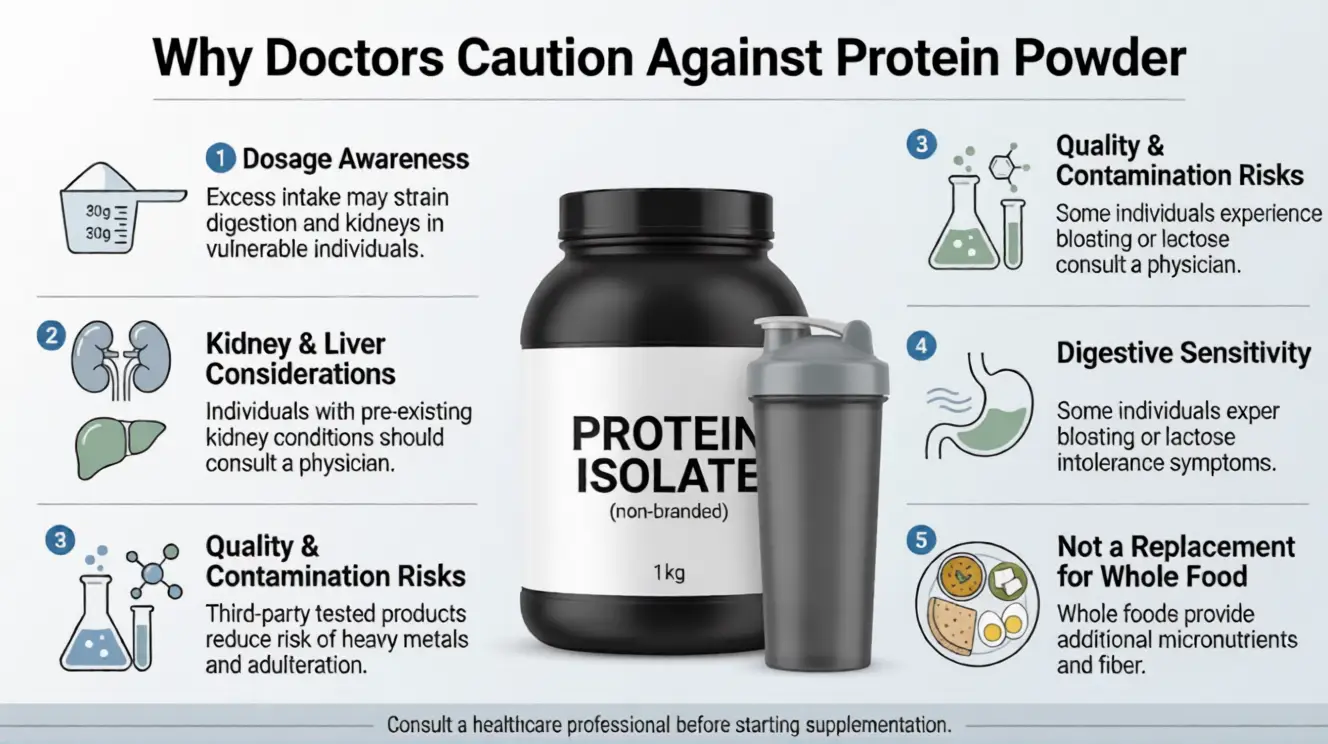
The answer sits somewhere in the middle, and it depends heavily on who is asking. This guide unpacks the real medical concerns, identifies who should genuinely limit protein powder use, and helps beginners, especially those browsing platforms like Herbimint, make smarter, safer supplement decisions based on evidence rather than marketing claims.
Why Doctors Are Skeptical of Protein Powder
Medical professionals operate from a foundation of evidence-based nutrition. When safety data on a supplement is limited and it’s unregulated, whole foods are the safer option. This professional skepticism is not just random; it is purposeful. It is built on several legitimate concerns.
Supplement Regulation Is Weaker Than You Think
Kidney Strain in Vulnerable Populations
Liver Stress and Long-Term Unknowns
Liver function can also be a concern with excessive protein supplementation, particularly when powders contain added stimulants, artificial sweeteners, or proprietary blends with undisclosed processing methods. Cases of elevated liver enzymes have been reported in individuals using certain protein products, though causality is difficult to establish given that many supplements stack multiple active compounds. The liver metabolizes amino acids and filters toxins, making it a natural focus of concern when concentrated, highly processed products are consumed daily over the years.
Digestive Issues Are More Common Than Marketed
Many protein powders, particularly whey concentrate and casein, are derived from dairy and contain lactose. A significant portion of the global adult population has some degree of lactose sensitivity, meaning that daily use leads to bloating, cramping, and gastrointestinal discomfort. Even lactose-free versions often include artificial sweeteners like sucralose or acesulfame potassium, which can disrupt gut microbiome balance and cause digestive issues in sensitive individuals.
Plant-based options avoid dairy-derived problems but may introduce others: pea protein can be high in purines, rice protein is lower in the essential amino acid lysine, and blends often contain gums, fillers, or added ingredients that complicate the amino acid balance picture.
What Are the Risks? A Clear-Eyed Look
Understanding the health risks associated with protein powder requires separating context-dependent risks from universal ones.
Risks That Apply Broadly
Nutritional imbalance is a real concern when powder replaces whole meals. Whole foods deliver protein alongside fiber, micronutrients, enzymes, and compounds that support nutrient absorption in ways no powder can replicate. When someone substitutes a shake for a meal repeatedly, they may hit their protein target while falling short on iron, B vitamins, zinc, and phytonutrients. This is a form of unnecessary supplement use, masking an underlying dietary gap that should be addressed at the source.
Allergic responses represent another genuine risk. Whey, soy, and egg-based proteins are among the most common dietary allergens. Reactions range from mild skin irritation to serious gastrointestinal or respiratory events. For individuals who have not identified these sensitivities, a protein powder can become the unexpected source of recurring adverse reactions that are slow to trace back to the supplement.
Risks That Apply in Specific Circumstances
For individuals with medical contraindications, including kidney disease, liver conditions, phenylketonuria (a metabolic disorder affecting amino acid processing), or eating disorder histories, protein powders can create or worsen harm. People in these categories should consult their physician before beginning any supplementation, and doctors working with these patients are right to recommend against it without that consultation.
Cost-effectiveness is also worth noting as a practical risk. Premium protein powders are expensive, and when their marketing claims are stripped away, many deliver nutritional value that is achievable through whole food alternatives like eggs, legumes, Greek yogurt, and lean meats, which discounts the price and provides better overall nutrient density.
Who Should Avoid or Limit Protein Powders?
Not everyone needs to avoid protein powder, but several groups should approach it with caution or avoid it entirely.
People with kidney disease should treat high-protein supplementation as a medical decision, not a lifestyle one. Even moderate protein increases can accelerate renal decline in compromised kidneys.
Pregnant and breastfeeding women face a particular concern with heavy metal contamination, as developing fetuses and infants are far more sensitive to trace toxin exposure than healthy adults.
Children and teenagers are frequently targeted by protein marketing, but rarely need supplementation. For active adolescents, eating a balanced diet, dietary requirements are met through food, and early reliance on supplements can displace healthy eating habits.
Individuals with liver conditions, including non-alcoholic fatty liver disease, hepatitis, or cirrhosis, should avoid products with complex ingredient panels, stimulant blends, or artificial additives that add a burden to liver metabolism.
Anyone with a history of disordered eating should be particularly mindful, as protein powder use can reinforce restrictive or obsessive nutritional behaviors. The supplement framing of food as macros to be hit can complicate recovery.
How to Choose the Correct Protein Powder
If you have consulted your doctor and supplementation is appropriate for your situation, the quality of your choice matters significantly. Here is a practical, no-fluff framework.
Step 1: Prioritize Third-Party Tested Products
Look for products certified by NSF International, Informed Sport, or USP. These organizations conduct independent testing for contaminants, label accuracy, and banned substances. This directly addresses the quality control gap that makes doctors skeptical.
Step 2: Match Source to Your Physiology
Whey isolate is a strong choice for those without dairy sensitivity. It is rapidly absorbed, has a complete amino acid profile, and is extensively researched. Pea-rice blends are the best whole-spectrum option for plant-based users. Avoid proprietary blends that obscure individual ingredient quantities.
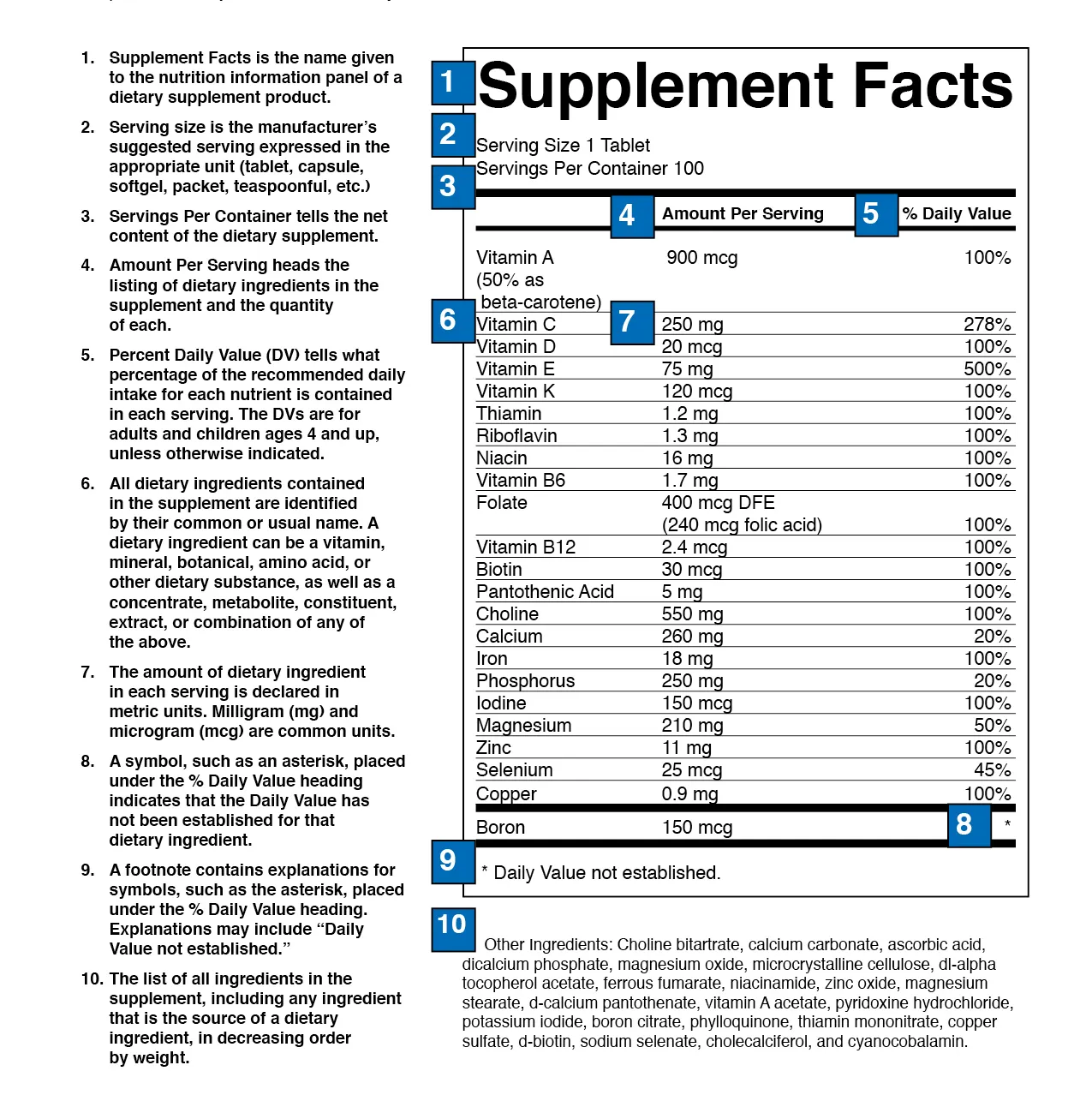
Step 3: Read the Ingredient Label Like a Doctor Would
Count the added ingredients. A quality powder should not require a chemistry degree to understand. Avoid products with multiple artificial sweeteners, artificial colors, or long lists of filler compounds. The fewer the ingredients, the more transparent the processing methods.
Step 4: Assess Your Actual Dietary Requirements
Before buying anything, calculate your daily protein intake from food sources. Most moderately active adults need 0.8-1.2g of protein per kilogram of body weight. If you are already meeting this through Whole Foods, supplementation adds cost, not meaningful benefit.
Step 5: Compare Brands With Intention
At Herbimint, the approach to supplement comparison is built on transparency, not commission-driven ranking. When selecting a protein powder, check for third-party certifications, protein per serving, quality of ingredients, and price per gram. This is the evidence-based way to choose rather than responding to front-of-pack marketing claims.
Pros and Cons: Honest Assessment
Pros of protein powder (when appropriate): convenient for people with genuinely high protein needs, practical post-workout when whole food is not available, cost-effective per gram of protein compared to some animal sources, useful for older adults managing age-related muscle loss.
Cons of protein powder: unregulated industry with variable quality control, potential heavy metal contamination with long-term use, digestive issues from lactose or artificial sweeteners, possible kidney strain in at-risk populations, marketing claims frequently exceed evidence, and may replace nutritionally superior whole food alternatives.
Common Question: People also ask
Why do doctors not recommend protein powder?
Doctors generally avoid protein powder, focusing instead on whole food sources because of concerns about regulation, contamination, and nutritional superiority. For patients with kidney disease, liver conditions, or metabolic disorders, the risks are more concrete. Unnecessary supplement use and a lack of long-term safety studies are key concerns for healthy adults, not immediate dangers.
Why is Gen Z obsessed with protein?
What is the 2-hour protein rule?
The 2-hour protein rule states that to optimize muscle growth, protein intake should occur within two hours after resistance workouts. Some support post-exercise protein timing, but recent findings indicate that daily protein intake matters more for most individuals. The “anabolic window” concept has been somewhat overstated by supplement marketing, though a post-workout protein source remains a reasonable practice.
Are 2 scoops of protein a day too much?
Are natural sources always better than protein powder?
Whole food alternatives offer better nutrition since they provide protein, fiber, micronutrients, and compounds that aid digestion and nutrient absorption. A clean protein powder can help people with specific diets or allergies and those who are too busy to meal prep, but it shouldn’t replace meals. The keyword is supplement: it should add to a nutritious diet, not substitute for one.