Building muscle requires more than just lifting weights: it demands proper nutrition, strategic supplementation, and understanding what fuels muscle development. In the sports nutrition market, whey protein stands out as a highly effective and researched supplement for muscle gain. Whey protein knowledge can improve your nutrition strategy, whether you’re starting at the gym or are a seasoned athlete aiming for better recovery.
What is Whey Protein?
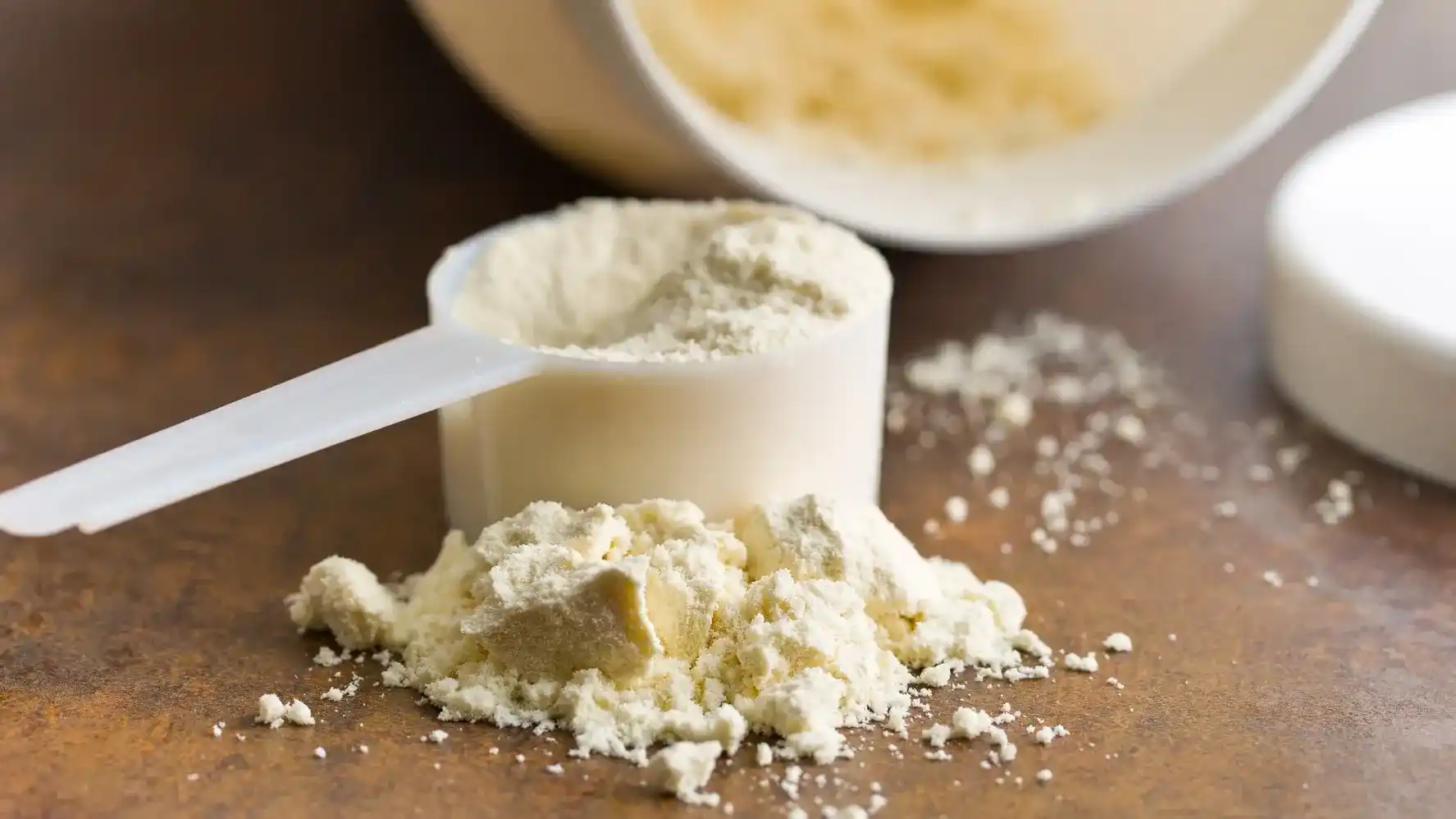
Whey protein is a complete, high-quality protein derived from milk during the cheese-making process.
When milk is processed to create cheese, it separates into two components: curds and liquid whey. The liquid whey is filtered and processed into the protein powder essential for sports nutrition.
What makes whey protein unique for building muscle is its rich amino acid profile. As a complete protein, whey includes all nine essential amino acids, making it great for increasing muscle mass.
After intense exercise, think of whey protein as what your muscles crave for recovery. It’s not magic, it’s simply giving your body exactly what it needs, when it needs it most.
What is the main component of whey protein?
The primary components of
whey protein are branched-chain amino acids (BCAAs), particularly leucine, isoleucine, and valine. Leucine is vital for muscle protein synthesis, the process that allows the body to repair and grow muscle tissue after workouts.
Beyond BCAAs, whey protein contains beta-lactoglobulin, alpha-lactalbumin, immunoglobulins, and lactoferrin. These bioactive compounds support not only muscle recovery but also immune function and overall health.
Types of Whey Protein: Finding Your Best Protein Match
Whey Protein Concentrate
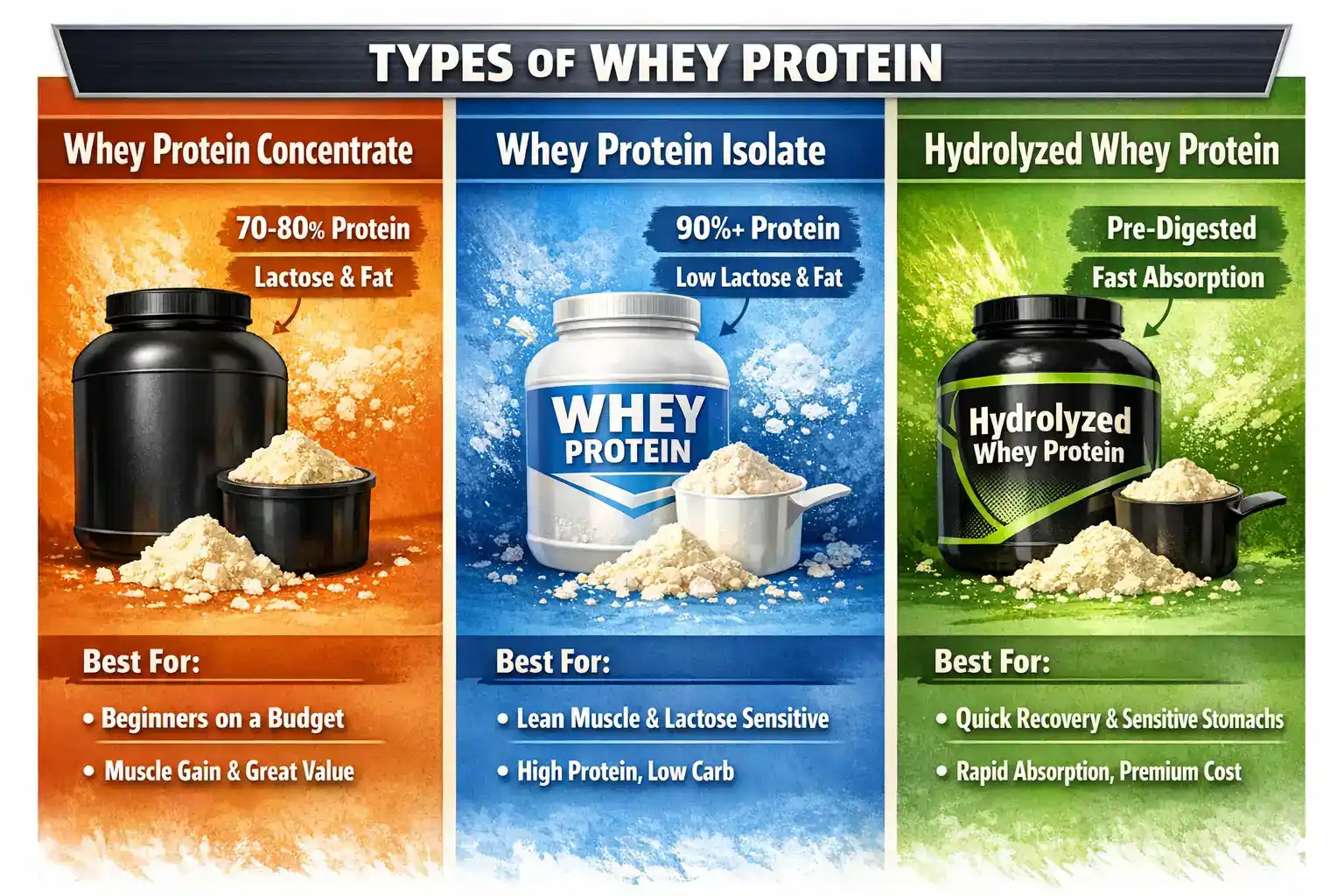
This is the most common and economical form of protein powder, containing approximately 70-80% protein by weight. The remaining composition includes small amounts of lactose and fat.
Best for: Beginners looking for an affordable
supplement for muscle gain that offers excellent value while delivering effective results. If you’re just starting and don’t want to break the bank, concentration is your friend.
Whey Protein Isolate
To make whey protein isolate, most lactose and fat are taken out, leaving a product that’s at least 90% protein. Isolate is perfect for individuals who are mindful of their calorie consumption and want to boost their dietary protein intake.
Best for: Athletes focused on lean mass increase, those with lactose sensitivities, or anyone who wants the purest protein possible. The faster absorption and higher protein concentration make whey protein isolate particularly popular among competitive athletes.
Hydrolyzed Whey Protein
This pre-digested form breaks down protein chains into smaller peptides, allowing for even faster absorption. Although hydrolyzed whey is often more expensive, it may decrease allergic reaction risk and rapidly provide amino acids to muscles.
Best for those with sensitive stomachs or athletes looking for the absolute fastest absorption rates. Just know you’re paying premium prices for incremental benefits.
Whey Protein vs. Mass Gainer: Understanding the Difference
Many beginners confuse protein powder with
mass gainer products, but they serve different purposes in fitness nutrition.
Here’s the breakdown:
Whey protein gives you a strong protein boost with fewer calories, generally 20-30 grams of protein and 120-150 calories per serving.
Mass Gainer combines protein, carbohydrates, and fats for a calorie-rich formula, usually delivering 400-1,200 calories per serving, with additional sugars and carbs.
Mass gainers contain whey protein to assist people in gaining weight and building muscle who have difficulty consuming enough calories. For those who are thin or have a high metabolism, a mass gainer can aid in increasing calorie intake.
To
build lean muscle without adding fat, whey protein is usually the best choice.
Mass gainers can lead to unwanted fat gain if you’re not truly struggling to eat enough calories.
How to Use Whey Protein Effectively for Muscle Gain
Accelerating Protein Synthesis
When you exercise, you create microscopic tears in your muscle fibers. Protein synthesis is the repair process that not only fixes this damage but builds muscle tissue back stronger and larger. Whey protein’s high leucine content activates the key pathway that regulates muscle protein synthesis, making it very effective for muscle growth.
In simple terms, your muscles grow when you’re recovering, not while you’re working out. Whey protein accelerates this recovery process dramatically.
Optimizing Post-Workout Recovery
The period immediately following your workout represents a critical window for recovery. During this time, your muscles are highly receptive to nutrients, and consuming whey protein can significantly enhance recovery rates.
While the “30-minute anabolic window” is exaggerated, eating protein within two hours after. A workout helps with muscle repair and growth. Don’t stress if you can’t chug your shake the second you leave the gym, but don’t wait until dinner either.
Supporting Exercise Performance
While whey protein doesn’t boost performance like creatine, having enough protein helps your body recover between workouts. Better recovery translates to more productive workouts, creating a positive cycle of improved exercise performance and muscle gain.
The cycle looks like this: Better protein intake → Faster recovery → More productive workouts → Greater muscle stimulus → Better results (when combined with adequate protein).
Combining Whey Protein with Other Supplements for Muscle
If you’re serious about maximizing muscle gain, combine whey protein with
creatine monohydrate. Whey acts as the foundation for muscle development, whereas creatine amplifies the intensity of your workouts.
Recommended approach: Take 3-5 grams of creatine monohydrate daily with your shake. Consistency matters more than timing.
Beginner supplement priority:
- Quality whey protein powder
- Creatine monohydrate (after 2-3 months of training)
- Individual micronutrients i and f are deficient.
Don’t let companies convince you that you need 15 products. You don’t.
Whey Protein Side Effects: What You Should Know
Whey Protein is mostly safe, but knowing the side effects can help you choose wisely. Let’s be honest about what you might experience.
Digestive Issues
Some individuals experience bloating, gas, or stomach discomfort when first introducing whey protein. This often relates to lactose sensitivity, particularly with whey concentrate products.
Solutions that actually work:
- Switch to whey protein isolate, which contains minimal lactose.
- Start with smaller servings (half scoops) and gradually increase
- Take a digestive enzyme supplement with your shake
- Try different brands – some digest easier than others.
Real experience: Many people report that their digestive system adapts within 1-2 weeks. If problems persist beyond that, the issue is likely lactose intolerance, and isolated, or plant-based alternatives are your answer.
Acne and Skin Concerns
Some users suggest that whey protein may cause more acne due to its effects on insulin and IGF-1 levels, resulting in increased oil production.
If you notice skin changes:
- Reduce your serving size and frequency
- Switch to whey protein isolate instead of concentrate
- Consider plant-based protein alternatives
- Ensure you’re drinking plenty of water (dehydration worsens acne).
- Consult a dermatologist if problems persist
Honest assessment: This doesn’t happen to everyone, but if you’re acne-prone, you might be more susceptible. Monitor your skin for the first month.
Kidney Concerns
For healthy individuals, whey protein doesn’t pose kidney risks. However, those with pre-existing kidney conditions should consult healthcare providers before increasing dietary protein intake significantly.
Kidney Myths
In fact, protein is essential for overall health. This myth has been thoroughly debunked. If you have kidney disease, consult your doctor first.
Maximizing Results: How to Use Whey Protein for Muscle Gain
Timing Your Protein Intake
While the post-workout window is important, total daily dietary protein intake matters more for muscle development. Aim to distribute protein consumption evenly throughout the day, typically consuming 20-40 grams per meal to optimize protein synthesis.
Ideal protein distribution example (for a 180 lb person):
- Breakfast: 30-40g protein
- Mid-morning shake: 25-30g protein
- Lunch: 35-45 g protein
- Post-workout shake: 25-30g protein
- Dinner: 35-45 g protein
- Before bed (optional): 20-25 g slow-digesting protein
This approach maintains elevated amino acid levels in your bloodstream, supporting continuous muscle repair throughout the day and night.
Calculating Your Protein Needs
For muscle gain, research suggests consuming 1.6-2.2 grams of protein per kilogram of body weight daily.
Quick calculator:
- 180 lbs (82 kg) = 130-180 g protein daily
- 150 lbs (68 kg) = 109-150 g protein daily
Whey protein supplements help bridge the gap between what you consume through whole foods and your total requirements. Most people find getting 100+ grams from food alone challenging without supplementation.
Quality Over Quantity
Not all protein powder products are created equal. When choosing protein, prioritize trusted brands like MuscleTech, known for third-party testing to ensure quality and accuracy.
What to look for on the label:
- 20-30 g protein per serving
- Under 5g sugar
- Third-party testing (NSF, Informed Choice)
- Minimal ingredients
Red flags to avoid:
- Proprietary blends
- Unrealistic claims
- Excessive fillers
- Suspiciously cheap prices
Whey Protein for Different Goals
For Lean Mass Increase
If you want to build muscle but keep fat low, whey protein isolate gives you the most protein with the least carbs and fats.
The formula for lean gains:
- Whey protein isolate (25-30 g per serving)
- Modest caloric surplus (200-300 calories above maintenance)
- Consistent resistance training (3-5x per week)
- Adequate sleep (7-9 hours nightly)
- Patience (expect 0.5-1 lb. muscle gain per month)
This approach builds quality muscle without the excess fat that often comes with aggressive bulking strategies.
For Muscle Gain for Beginners
Starting your fitness journey can feel overwhelming, but whey protein simplifies nutrition. As a beginner, you have tremendous potential for rapid muscle gain, often called “newbie gains.”
Beginner game plan:
- Start with one protein shake daily (post-workout or breakfast)
- Focus on hitting your total daily protein target (don’t obsess over timing yet)
- Emphasize mastering correct exercise techniques before increasing weight.
- Track your progress weekly (measurements, photos, strength gains)
- Be patient: muscle gain for beginners accelerates after 2-3 months of consistency.
Common beginner mistakes to avoid:
- Buying too many supplements at once
- Expecting overnight results
- Skipping whole food meals in favor of shakes
- Not tracking total daily protein intake
- Changing programs every few weeks
For Weight Management
Whey protein for weight gain works when combined with sufficient overall calories. However, protein’s high satiety factor makes it equally valuable for those maintaining or even losing weight while preserving muscle tissue.
Why protein helps with weight management:
- High satiety reduces overall hunger and calorie intake.
- The thermogenic effect burns more calories during digestion (20-30% of protein calories are burned just digesting it).
- Preserves muscle mass during caloric deficits
- Supports metabolic rate by maintaining lean tissue
Practical application: Whether you’re bulking, cutting, or maintaining, adequate protein intake (1.6-2.2 g/kg) should remain constant. Adjust carbs and fats based on your goals, but keep protein high.
Integrating Whey Protein into Your Fitness Nutrition Plan
Beyond the Basic Shake
Protein Oatmeal: Stir whey into cooked oats with berries and nuts for hours of fullness.
Protein Pancakes: Blend 1 scoop protein, 1/2 cup oats, 2 eggs, 1 banana. Cook like regular pancakes.
Post-Workout Smoothie: 1 scoop whey, 1 cup milk, 1 banana, 1 cup spinach, 1 tbsp peanut butter. Tastes like dessert, fuels like science.
Whole Foods First
The 80/20 rule: Get 80% protein from chicken, fish, eggs, Greek yogurt, and lean beef. Use whey as a convenient tool, not a crutch.
The Science Behind Protein and Muscle Development
Muscle Growth = Protein Synthesis – Protein Breakdown
Whey protein’s high leucine content activates motors more powerfully than most proteins, which is why research consistently shows it outperforms alternatives for muscle gain. This isn’t marketing; it’s biochemistry.
Making Informed Choices in Sports Nutrition
Muscle Growth = Protein Synthesis – Protein Breakdown
Whey protein has more leucine, which helps build muscle better than other proteins. This isn’t marketing; it’s biochemistry.
Making Informed Choices in Sports Nutrition
Evidence-backed supplements:
Red flags:
- Claims of 20+ lbs. of muscle in a month
- “Secret” ingredients
- Unrealistic before/after photos
- MLM-exclusive products
Trust indicators:
- Third-party testing
- Transparent ingredients
- Established brands
- Realistic marketing
Your Realistic Timeline
Months 1-3: Rapid “newbie gains” (5-10 lbs total including water)
Months 3-12: Steady gains (1-2 lbs muscle monthly)
Year 2+: Slower gains (0.5-1 lb monthly, approaching genetic potential)
Conclusion: Your Path Forward
Whey protein is a convenient way to get high-quality protein and amino acids for muscle growth and recovery.
The non-negotiables:
- Train 3-5x weekly with progressive overload
- Hit 1.6-2.2 g protein per kg daily
- Sleep 7-9 hours nightly
- Maintain a modest caloric surplus (200-300 calories)
- Practice patience, think months and years, not weeks
To succeed, focus on regular workouts, sufficient sleep, proper eating, and being patient. For beginners, start simple. Master the basics before adding complexity.
Remember: supplements enhance an already solid foundation. They can’t replace hard work, consistency, and proper whole-food nutrition. I’ve seen countless people buy every new supplement, hoping for shortcuts. The truth? There are no shortcuts.
But with whey protein, consistent training, adequate rest, and patience, you absolutely can build the physique you’re working toward. The protein powder isn’t the magic you are. Whey protein just helps you recover faster and build more efficiently.
Your muscles are ready to grow. Give them the protein they need, the training they require, and the time they deserve.
Now stop reading and go train. Your future self will thank you.


2 Comments
Athlete Whey Protein: The Key for Sports Performance
February 22, 2026[…] The body enters a state where protein breakdown exceeds protein synthesis. Consuming a quality whey protein shake within 30 to 45 minutes post-exercise often called the “anabolic window” helps […]
Best Protein Powder for Muscle Gain for Beginners (2026)
February 28, 2026[…] Best Whey Protein for Muscle Gain 2026:A focused analysis of India’s top whey proteins, comparing isolate and concentrate efficiency, pricing, and lab-testing transparency. […]