


Starting a supplement routine can feel overwhelming, especially when the fish oil aisle looks like a science exam. At Herbimint, we cut through the noise so you can make smarter choices from day one. This guide provides beginners with essential info on what to look for and avoid, recommended dosages, and reliable brands.
What Are Fish Oil Supplements and Why Do They Matter?
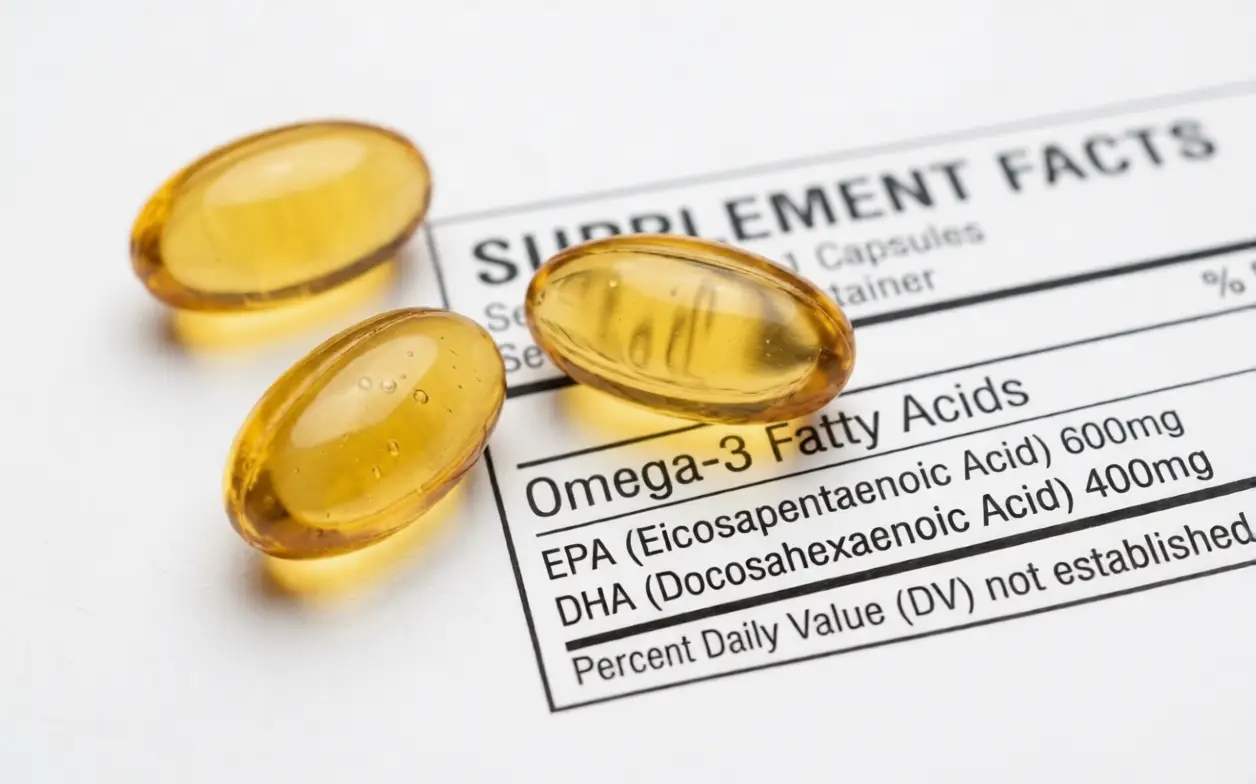 Fish oil supplements are rich in omega-3 fatty acids from cold-water fish like sardines, anchovies, mackerel, and salmon. Fish oil contains two key compounds: eicosapentaenoic acid (EPA) and docosahexaenoic acid (DHA). These long-chain polyunsaturated fats are not efficiently produced by the human body.
Beginner Tip: Not all fish oil products contain equal amounts of EPA and DHA. Always check the supplement facts panel, not just the total fish oil amount on the front label.
Key Terms Every Beginner Should Know
Triglyceride Form vs. Ethyl Ester
Molecular Distillation
Third-Party Testing
Enteric Coating and Burpless Formulas
Freshness Indicators
Sustainable Sourcing
What Is the Best Fish Oil for Neuropathy?

Brands offering high-potency, concentrated formulas delivering at least 60% omega-3 content by total oil weight are better suited to therapeutic goals than budget options with 30% concentration. For beginners approaching this from a health-recovery angle, consulting a healthcare provider before selecting a dose is wise.
Important: Fish oil is not a replacement for prescribed neuropathy medication. It is best used as a complementary nutritional strategy under medical supervision.
At Herbimint, our comparison framework evaluates brands on potency, purity, form, and price per gram of active omega-3, a more useful metric than sticker price alone. See our fish oil for nerve support comparison guide for specific brand breakdowns.
Which Fish Oil Is Best for Fatty Liver?
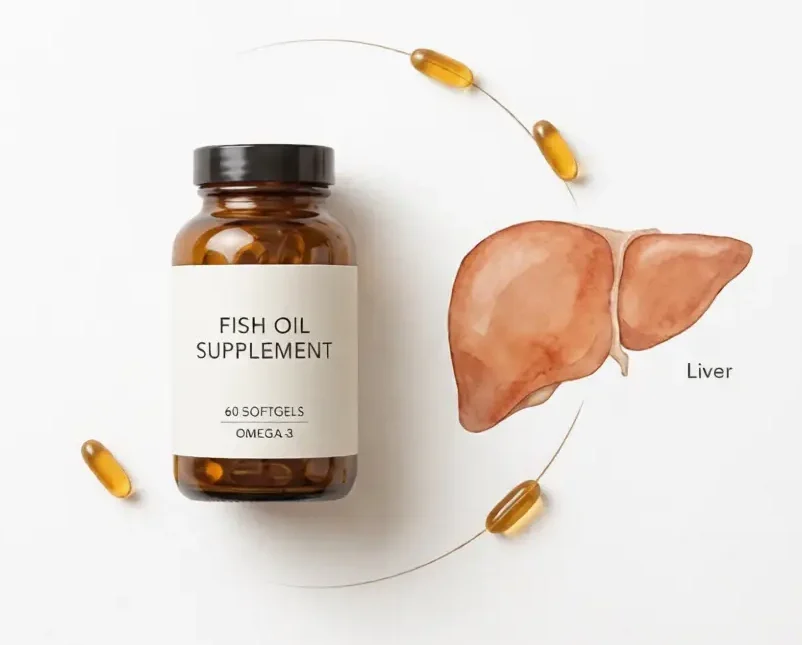
Practical Selection Criteria for Fatty Liver Support
- High EPA: DHA ratio (often 2:1 in EPA-dominant formulas)
- Minimum 1,000 mg combined EPA+DHA per serving
- Molecularly distilled, with published COAs (Certificates of Analysis)
- Free from artificial fillers and unnecessary additives
- Triglyceride molecular form for superior hepatic delivery
Why Do Doctors Not Always Recommend Fish Oil?
This is one of the most searched questions about omega-3 supplements, and the honest answer is nuanced.
Some physicians are cautious about recommending fish oil for two main reasons: inconsistent evidence in large cardiovascular trials, and concerns about blood-thinning effects at high doses. Earlier large-scale studies on fish oil and heart disease produced mixed results, leading some cardiologists to step back from blanket recommendations.
However, more recent and better-designed trials, particularly those using high-dose EPA-only formulations, have shown significant reductions in cardiovascular events. This has led to the FDA approval of prescription-strength EPA supplements for specific patient populations with elevated triglycerides.
The Blood-Thinning Concern
Fish oil has mild anticoagulant properties. At doses above 3,000 mg daily, it may meaningfully affect platelet aggregation. This is relevant for people already on blood-thinning medications like warfarin or aspirin. Doctors are understandably cautious about adding fish oil without reviewing a patient’s full medication list. This concern, however, does not apply to standard doses (1,000–2,000 mg daily) for most healthy adults.
Quality Concerns in the Market
Another honest reason physicians hesitate: not all fish oil products are equal. Studies have found that many retail fish oil products are oxidized, meaning the omega-3s have degraded before reaching the consumer. A doctor recommending generic fish oil without quality guidance risks a patient taking a counterproductive product. This is precisely why pharmaceutical-grade and third-party-tested supplements matter so much.
The evidence for omega-3s in specific conditions, including elevated triglycerides, depression support, dry eye syndrome, and neuropathy, remains strong and acknowledged even by conservative medical bodies. The key is dose, form, and quality.
How Much Omega-3 Do You Need for Nerve Damage?
Dosage recommendations for omega-3 supplementation vary significantly depending on the health goal. For general wellness, most health organizations suggest 250-500 mg of combined EPA+DHA per day. But for nerve-related conditions, the evidence points toward higher therapeutic doses.
Dosage Ranges by Goal
| Health Goal | Daily EPA+DHA Target | Notes |
| General wellness | 250-500 mg | Minimum baseline |
| Neuropathy support | 1,000-2,000 mg | Consult a physician |
| Fatty liver (NAFLD) | 2,000-4,000 mg | Clinical trial range |
| Elevated triglycerides | 2,000-4,000 mg | Prescription forms may apply |
| Brain/cognitive support | 1,000-2,000 mg | DHA-dominant preferred |
For nerve damage specifically, some clinical protocols use up to 2,400 mg of EPA+DHA per day. The key is consistency. Omega-3s accumulate in cell membranes over time, and meaningful therapeutic effects from omega-3 fatty acids typically become measurable after 8-12 weeks of daily supplementation.
Beginners are advised to start at the lower end of the therapeutic range and increase gradually. Taking fish oil with a meal containing dietary fat also meaningfully improves absorption regardless of molecular form.
Capsule vs. Liquid: Which Form Is Right for You?
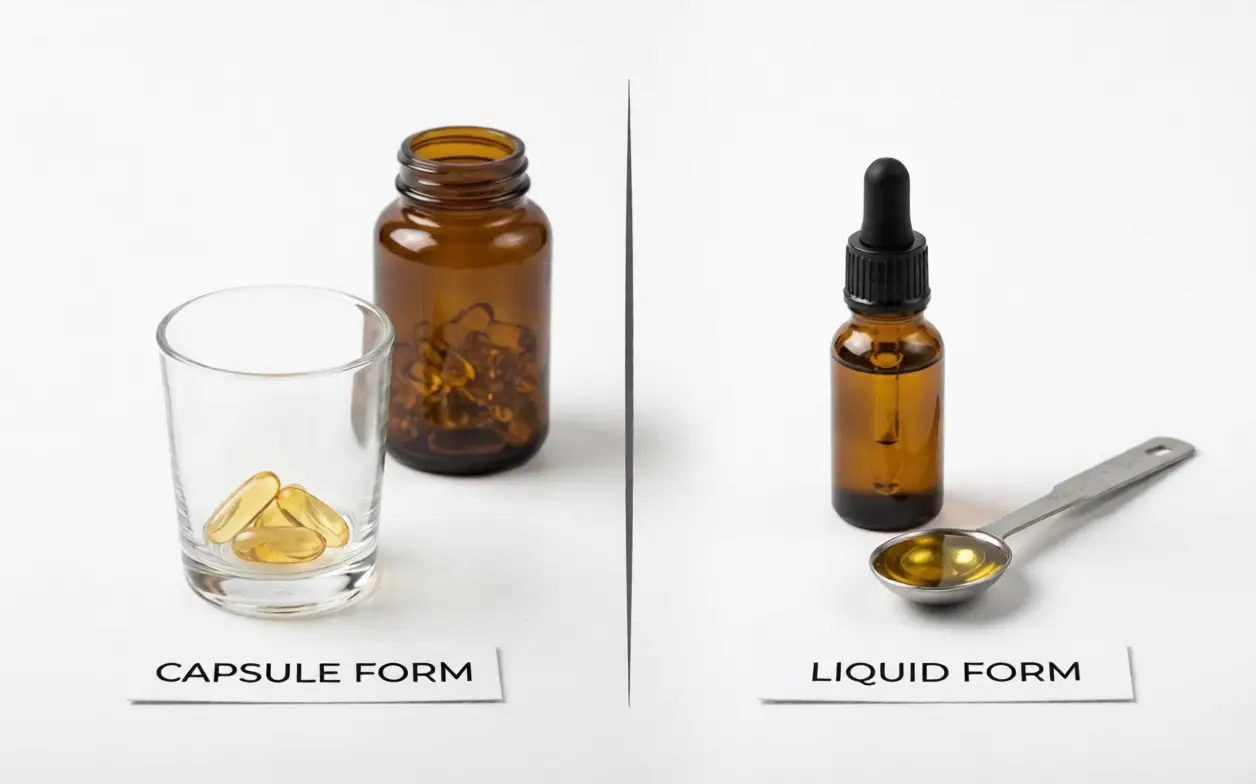 Both capsule and liquid fish oil can deliver high-quality omega-3s; the decision largely comes down to preference, dose requirements, and lifestyle.
Fish Oil Capsules
- Convenient, pre-dosed, and portable
- Easier to track daily intake precisely
- Enteric-coated options minimize fishy aftertaste
- Shelf-stable and widely available
- Best for beginners starting with standard doses (1,000–2,000 mg EPA+DHA)
Liquid Fish Oil
- More economical per gram of EPA+DHA at higher doses
- Easier to add to smoothies or food
- Ideal for people who have difficulty swallowing capsules
- Requires refrigeration after opening; oxidation risk is higher
- Dose flexibility is greater for therapeutic use
For most beginners, fish oil capsules, particularly enteric-coated or burpless formulas, represent the best starting point. As you become more comfortable with your routine and potentially increase your dose to meet specific health goals, liquid forms become worth considering for their cost-effectiveness.
How to Read a Fish Oil Label Like a Pro
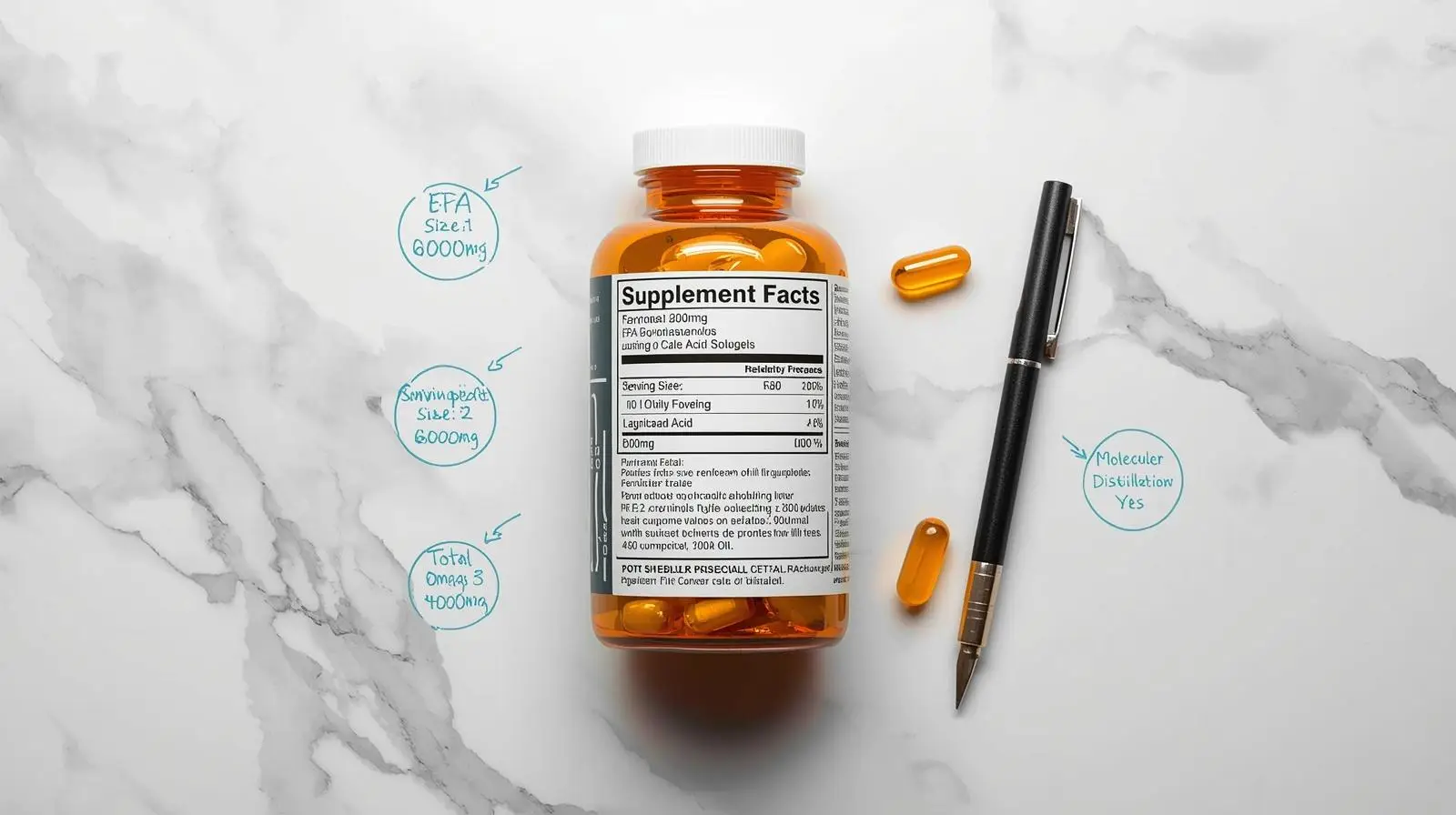
This skill alone will save you from wasting money on underperforming products.
Step 1: Look Past the Front Label
The front of a fish oil bottle often reads something like “1,000 mg Fish Oil.” This number refers to the total amount of fish oil in the capsule, not the omega-3 content. A 1,000 mg capsule of standard fish oil might contain only 300 mg of combined EPA+DHA. Flip to the supplement facts panel every time.
Step 2: Check EPA and DHA Individually
The label should list the amounts of EPA (eicosapentaenoic acid) and DHA (docosahexaenoic acid) in milligrams separately. Add them together, that is your active omega-3 dose per serving. Anything below 500 mg combined per capsule is low potency for most therapeutic purposes.
Step 3: Confirm the Molecular Form
Look for phrases like “re-esterified triglycerides,” “natural triglyceride form,” or “TG form.” If the label says “ethyl ester” or says nothing at all, assume it is the lower-absorption form.
Step 4: Verify Third-Party Certification
Look for certification seals or mention of third-party testing. IFOS, USP, and NSF are the most credible. A Certificate of Analysis (COA) available on the brand’s website is an excellent sign of transparency.
Step 5: Check the Expiration and Storage Instructions
Fresh fish oil should smell mildly oceanic, not strongly rancid. Check the expiry date, and follow storage tips on the label. Most fish oil capsules should be stored in a cool, dry place, and liquid fish oil must be refrigerated once opened. Oxidized fish oil loses its effectiveness and can produce free radicals.
Beginner Mistakes to Avoid
Learning from common errors will accelerate your progress and protect your investment.
Mistake #1: Judging by Total Fish Oil Instead of EPA+DHA
This is the most common and costly beginner error. A 2,000 mg fish oil capsule with 30% omega-3 concentration delivers 600 mg of EPA+DHA. A 1,000 mg capsule with 70% concentration delivers 700 mg. The higher-potency option wins even with fewer milligrams of total oil.
Mistake #2: Skipping Quality Verification
Choosing based on price alone without checking for third-party testing, molecular distillation, or freshness data. Mercury levels and oxidation in cheap fish oil are real concerns that affect both safety and efficacy.
Mistake #3: Inconsistent Dosing
Taking fish oil sporadically defeats the purpose. Omega-3s need to accumulate in cell membranes over weeks. Missing multiple days per week will significantly reduce any measurable benefit. Build it into an existing daily habit with breakfast, for example.
Mistake #4: Not Pairing with Dietary Fat
Omega-3 absorption improves substantially when taken alongside dietary fat. Taking fish oil on an empty stomach reduces bioavailability, especially for ethyl ester products. Always take it with a meal.
Mistake #5: Ignoring Potential Drug Interactions
Fish oil has mild blood-thinning effects at higher doses. Anyone on anticoagulants, NSAIDs, or blood pressure medication should check with their healthcare provider before taking doses above 2,000 mg daily.
Fish Oil Supplements: Pros and Cons for Beginners
| ✅ Pros | ❌ Cons |
| Supports heart, brain & nerve health | Quality varies widely by brand |
| Reduces inflammation naturally | Fishy aftertaste without an enteric coating |
| Well-researched, broad scientific support | Oxidation risk if stored poorly |
| Multiple forms for different needs | Drug interactions at high doses |
| Suitable for long-term daily use | Results take weeks to become apparent |
| Sustainable options widely available | Prescription strength requires doctor oversight |
Common Question: People also ask
Can fish oil repair nerve damage?
Fish oil cannot fully reverse established nerve damage, but EPA and DHA may support the regeneration of damaged nerve fibers over time. Studies prove that omega-3 fatty acids reduce neuroinflammation and improve the structural integrity of neuronal cell membranes. Consistent supplementation over several months, at therapeutic doses, is associated with reductions in neuropathic pain and improved nerve conduction in some research settings. Fish oil is best considered a supportive therapy, not a standalone cure.
Can I take omega-3 without a doctor’s approval?
For most healthy adults, taking standard doses of omega-3 (250-2,000 mg EPA+DHA daily) does not require a prescription or medical consultation. However, if you are pregnant, managing a chronic condition, or taking medications, particularly blood thinners or blood pressure drugs, you should speak with your doctor before starting. Higher therapeutic doses (above 3,000 mg daily) are also best managed with professional guidance.
What happens if I take omega-3 every day?
Daily omega-3 supplementation, at appropriate doses, is generally safe and associated with positive long-term outcomes. Over weeks to months, EPA and DHA accumulate in cell membranes throughout the body, supporting anti-inflammatory processes, cardiovascular function, brain health, and joint flexibility. Some individuals notice improved mood, better skin hydration, and reduced joint stiffness. Daily use is, in fact, how fish oil delivers its benefits; intermittent dosing is far less effective.
What are the major side effects of omega-3?
At standard doses, fish oil is well-tolerated by the majority of adults. The most common side effects include fishy breath, mild gastrointestinal discomfort, and occasional loose stools when starting supplementation. These typically resolve within 1-2 weeks or can be avoided entirely with enteric-coated formulas. At high doses (above 3,000 mg daily), blood thinning becomes a more relevant consideration. Allergic reactions are rare but possible in people with fish or shellfish allergies.
How long can I take omega-3 supplements?
Omega-3 supplements are safe for long-term daily use. There is no established maximum duration for standard supplementation. Many people take fish oil for years or decades without adverse effects. Long-term use at high doses should be discussed with a healthcare provider, particularly if you are on medications. The key is maintaining product freshness and quality, regularly checking expiry dates, and replacing products as needed.

3 Comments
Omega-3 vs Fish Oil: What's the Difference and Which Is Better?
March 14, 2026[…] Fish oil is a concentrated supplement derived from the tissue of fatty fish such as sardines, anchovies, and mackerel. It is rich in EPA and DHA, making it one of the most efficient omega-3 delivery vehicles available. Krill oil, algae supplements, and cod liver oil also provide significant omega-3s but have varied absorption and sustainability impacts. […]
Omega-3 Deficiency: 10 Warning Signs Your Body Is Trying to Tell You
March 15, 2026[…] dietary sources fall short, omega-3 supplementation is a practical and well-studied option. Fish oil capsules containing EPA and DHA are the most […]
How Much Fish Oil Should You Take for Inflammation?
March 18, 2026[…] safe for healthy adults to take up to 5,000 mg of EPA + DHA each day. The U.S. The U.S. FDA says fish oil supplements are safe at doses up to 3,000 mg per day from dietary supplements.Exceeding 3,000 mg daily without […]