What Are the Signs of Omega-3 Deficiency?
Omega-3 fatty acids are crucial nutrients that our bodies need but cannot produce on their own. Every cell membrane, neural circuit, and inflammatory response in your body is partially influenced by your levels of them. When dietary intake falls short, the consequences do not announce themselves loudly.
They collect rough patches of skin here, a misty morning there, and enduring joint discomfort.
Research continues to be consistent. linking omega-3 status to cardiovascular health, brain function, immune regulation, and skin integrity. Population studies show that most adults, especially in Western countries, do not meet recommended intake levels. Omega-3 deficiency is one of the most common and least diagnosed nutritional issues today.
This guide lists 10 signs of omega-3 deficiency, explains each symptom, details testing methods, and provides effective dietary or supplement strategies for improvement.
“Omega-3 deficiency is often hiding in plain sight. When patients come in with a constellation of skin, mood, and joint issues, fatty acid status is one of the first things I evaluate.”
– Registered Dietitian Nutritionist, Functional Nutrition Practice
What Are Omega-3 Fatty Acids?
Omega-3 fatty acids are essential fats that the human body needs but cannot produce on its own. The body can’t produce them naturally, so we need to get them from our diet.

Types of Omega-3 Fatty Acids
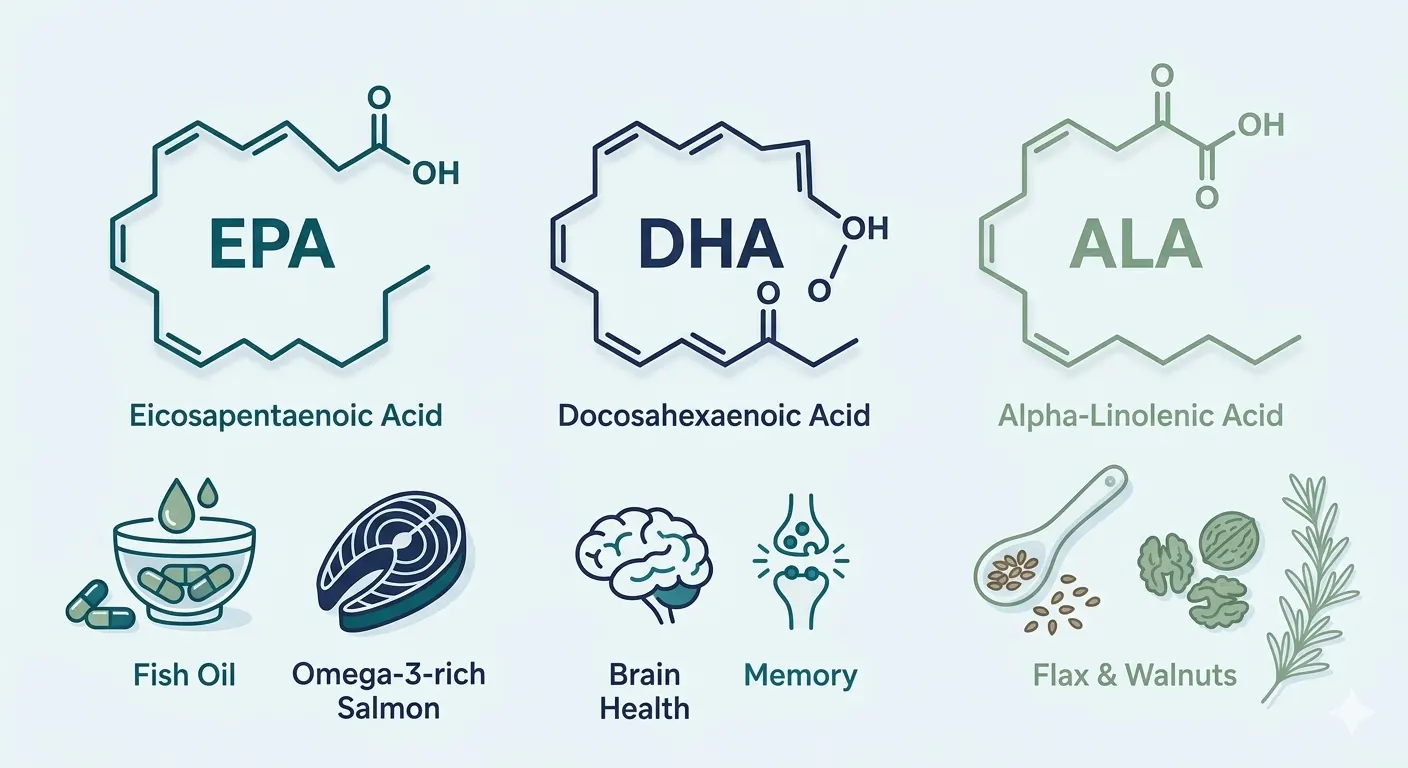
Three primary forms of omega-3 matter most to human health:
- EPA (Eicosapentaenoic Acid): A long-chain omega-3 found predominantly in fatty fish. EPA is particularly important for managing inflammation and supporting cardiovascular health. It works by reducing the production of inflammatory compounds called eicosanoids.
- DHA (Docosahexaenoic Acid): It is a structural fat present in marine sources and is important for the brain and retina. It is critical for cognitive function, neurodevelopment, and eye health. Low DHA levels have been linked to cognitive decline and depression symptoms.
- ALA (Alpha-Linolenic Acid): A short-chain omega-3 found in plant foods such as flaxseed, walnuts, and chia seeds. The body can convert ALA into EPA and DHA, but this conversion is inefficient, with only 5 to 10 per cent of ALA being utilised.
Why Omega-3 Is Important for the Body
There are many important functions of omega-3 fatty acids in the body.
- Brain function: DHA is a primary structural component of neuronal membranes. Adequate omega-3 supports memory, focus, mood stability, and overall cognitive performance.
- Heart health: EPA and DHA reduce triglyceride levels, lower blood pressure, and support healthy blood vessel function. Populations that consume fish-rich diets tend to show lower rates of cardiovascular risk.
- Anti-inflammatory benefits: Omega-3 fatty acids counterbalance the pro-inflammatory effects of omega-6 fatty acids. They reduce systemic inflammation, which is a root factor in many chronic diseases.
- Skin and eye health: Omega-3 helps maintain the lipid barrier of the skin and supports the photoreceptor cells in the retina, making it essential for moisture retention and clear vision.
What Causes Omega-3 Deficiency?
Omega-3 deficiency rarely has a single origin. Most clinical cases show a mix of poor diet, excess omega-6 affecting absorption, and these issues build up over time.
Insufficient Intake of Omega-3 Rich Foods
The primary contributing factor is dietary choices. Populations that don’t often eat fatty fish like salmon, sardines, and mackerel, or plant sources of omega-3 like flaxseeds and walnuts, will likely have low levels of EPA and DHA. In many Western dietary patterns, omega-3 rich foods appear only occasionally, while competing food groups dominate every meal.
Diet High in Processed and Ultraprocessed Foods
Heavily processed foods are made with unhealthy fats and additives that lack omega-3 and replace nutritious whole foods. Beyond their nutritional vacuity, these products actively crowd out omega-3 food sources from the dietary landscape. A diet built on convenience foods is almost structurally guaranteed to produce fatty acid imbalance.
Excess Omega-6 Fatty Acids: The Hidden Competitor
CLINICAL CONTEXT: THE RATIO PROBLEM
The omega-6 to omega-3 ratio is one of the most important and most ignored nutritional metrics in preventive health. The evidence-based target is approximately 4:1. The typical modern Western diet delivers ratios between 15:1 and 20:1.
This matters because omega-6 and omega-3 fatty acids compete for the same delta-6-desaturase enzyme, the gateway to metabolic activation. When omega-6 vastly outnumbers omega-3, the enzyme preferentially processes omega-6, leaving EPA and DHA synthesis effectively suppressed. The clinical result is a functional omega-3 deficiency even when ALA intake appears adequate on paper.
Poor Gastrointestinal Absorption
Several conditions impair the body’s capacity to absorb dietary fats: Crohn’s disease, celiac disease, exocrine pancreatic insufficiency, and irritable bowel syndrome are among the most common. Ageing worsens this issue; older adults absorb fewer fat-soluble nutrients, increasing their risk of deficiencies even with sufficient dietary intake.
10 Common Signs of Omega-3 Deficiency
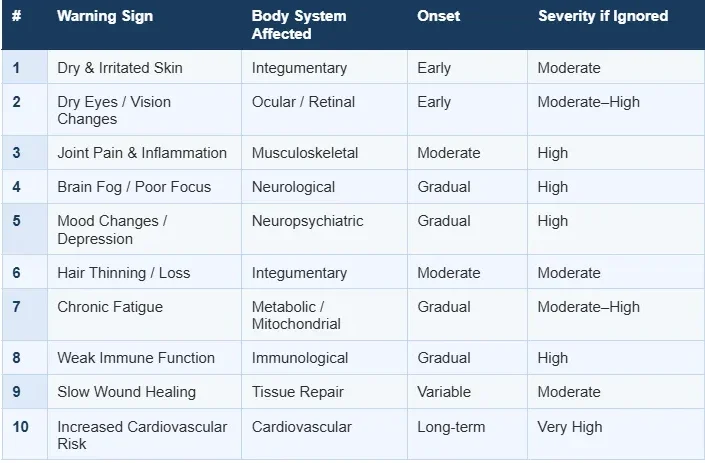
Omega-3 affects many body functions, so its deficiency can cause various symptoms. Here are the ten most recognised warning signs:
1. Dry and Irritated Skin
One of the earliest and most visible signs is dry, flaky, or irritated skin. Omega-3 fatty acids, particularly EPA and DHA, support the skin’s barrier, ensuring moisture stays in and irritants stay out. When omega-3 levels drop, this barrier weakens, leading to conditions like eczema, rough patches, and increased skin sensitivity. People who struggle with persistent dryness despite using moisturisers often benefit from addressing their fatty acid intake.
2. Dry Eyes and Vision Problems
The eye’s tear film has a fatty layer that depends heavily on omega-3 to stay intact. Without enough EPA and DHA, the eye’s protective layer can break down, resulting in dry eye syndrome, which features burning, stinging, and blurred vision. DHA is important for retinal photoreceptor cells, so a long-term deficiency can lead to vision issues and a higher risk of macular degeneration.
3. Joint Pain and Inflammation
Omega-3 fatty acids are natural anti-inflammatory agents. They reduce the production of cytokines and other inflammatory molecules that cause joint swelling and stiffness. Individuals deficient in omega-3 frequently report increased
joint pain, especially in the morning, and may experience worsening symptoms of arthritis. Supplementation with fish oil has been shown to meaningfully
reduce inflammation in joints over time.
4. Difficulty Concentrating or Brain Fog
DHA is the dominant structural fat in the brain, comprising a large portion of the grey matter. Insufficient DHA can disrupt neuronal membrane fluidity, which slows communication between brain cells. The result is often described as brain fog, a persistent difficulty with focus, memory recall, and mental clarity. Students, professionals, and older adults all report improvements in cognitive performance when omega-3 intake is optimised.
5. Mood Changes or Depression
There is a well-established relationship between omega-3 and mental health. EPA, in particular, appears to influence neurotransmitter pathways involved in mood regulation, including serotonin and dopamine systems. Low omega-3 levels have been linked to higher rates of depression symptoms, anxiety, and mood instability. Clinical studies suggest that EPA-rich supplements may enhance traditional depression treatments, but it’s essential to consult a healthcare provider first.
6. Hair Thinning or Hair Loss
Hair follicles require a steady supply of nutrients and fatty acids to sustain healthy growth cycles. Omega-3 deficiency can lead to hair thinning, increased shedding, and a dull appearance. The scalp may also become dry and flaky. Omega-3 deficiency can cause hair loss but is often overlooked, particularly in people who avoid seafood or follow strict diets.
7. Chronic Fatigue
Persistent fatigue that does not improve with rest can sometimes trace back to nutritional deficiencies, including low omega-3. Omega-3 plays a role in mitochondrial function and cellular energy production. A fatty acid imbalance can reduce the efficiency of energy metabolism, leaving individuals feeling drained despite adequate sleep. Chronic fatigue linked to omega-3 deficiency often coexists with poor concentration and mood changes.
8. Weak Immune Function
Omega-3 fatty acids help regulate immune cell activity and inflammatory responses. Deficiency weakens the immune system, increasing susceptibility to infections, slowing healing, and raising the risk of autoimmune flare-ups. Immune system function depends significantly on maintaining a proper omega-6 to omega-3 balance in cell membranes.
9. Slow Wound Healing
Tissue repair after cuts, bruises, or surgery requires coordinated inflammatory and anti-inflammatory signalling, a process that omega-3 helps regulate. Deficiency disrupts this balance, potentially slowing wound healing and increasing the risk of infection. Individuals who notice unusually slow recovery from minor injuries should consider evaluating their nutritional status, including omega-3 levels.
10. Increased Risk of Heart Problems
Long-term omega-3 deficiency is associated with elevated triglycerides, reduced HDL cholesterol, and increased arterial stiffness, all markers of cardiovascular risk. Without adequate EPA and DHA, the heart and blood vessels lack key anti-inflammatory protection. Over time, this increases the likelihood of hypertension, atherosclerosis, and other cardiovascular conditions. This is why cardiologists and nutrition experts frequently emphasise omega-3 as a cornerstone of heart-healthy eating.
How Omega-3 Deficiency Affects Different Parts of the Body
Effects on Brain and Mental Health
The brain is approximately 60 per cent fat, and DHA accounts for a major share of that. When DHA levels fall, neuronal membranes become less fluid, which impairs signal transmission between cells. This can manifest as cognitive decline, difficulty learning, emotional dysregulation, and heightened risk of neurodevelopmental issues in children. Depression and anxiety disorders have both been associated with low omega-3 status in population-level studies.
Effects on Heart and Blood Circulation
In the cardiovascular system, omega-3 fatty acids reduce platelet aggregation (clumping), lower inflammation in arterial walls, and improve lipid profiles. Without adequate intake, the body’s inflammatory state rises, blood becomes more prone to clotting, and arterial health deteriorates. These changes collectively elevate chronic disease risk over years and decades.
Effects on Skin and Hair Health
Skin cells have a high turnover rate and depend on omega-3 for membrane integrity and moisture regulation. Deficiency accelerates transepidermal water loss, making skin rough and reactive. Hair follicles similarly require omega-3 to support growth and pigmentation. Skin and hair changes from deficiencies are noticeable, leading dermatologists to assess dietary fat intake in addition to topical treatments.
How to Test for Omega-3 Deficiency
Omega-3 Blood Test (Omega-3 Index)
The best way to check omega-3 levels is with an Omega-3 Index blood test, which looks at how much EPA and DHA are in red blood cells. An index above 8 per cent is generally considered optimal, while below 4 per cent indicates a high-risk deficiency state. This test is increasingly available through primary care physicians, functional medicine practitioners, and direct-to-consumer lab services.
Medical Evaluation and Symptoms Review
A full medical check-up should assess diet, symptoms, and might necessitate extra blood tests such as a lipid panel and inflammatory markers. Doctors may look at triglyceride levels, CRP (C-reactive protein), and other indicators that indirectly reflect fatty acid status.
When to See a Doctor
You should visit a doctor if you have many of the symptoms listed in this article. Dry skin combined with joint pain, brain fog, and fatigue, for example, is a pattern that warrants professional evaluation. Don’t self-diagnose or take high doses of supplements without a doctor’s advice, as too much omega-3 can increase bleeding risk.
Best Foods to Increase Omega-3 Levels
Fish Sources (Salmon, Sardines, Mackerel)
Fatty fish are the richest dietary sources of EPA and DHA. Salmon offers roughly 1.5 to 2.5 grams of omega-3 in a 100-gram serving, making it a highly efficient option. Sardines and mackerel are similarly rich and often more affordable. Herring, anchovies, and trout also deserve mention. Health organisations typically recommend at least two servings of fatty fish per week to meet omega-3 needs.
Plant-Based Sources (Flaxseeds, Chia Seeds, Walnuts)
For those who avoid fish, flaxseeds, chia seeds, and walnuts, ALA is the plant form of omega-3. Ground flaxseed is particularly bioavailable and can be easily added to smoothies, oatmeal, or baked goods. The conversion of ALA to EPA and DHA is limited, but these foods still boost omega-3 levels and provide fibre and antioxidants.
Omega-3 Supplements (Fish Oil, Algae Oil)
When dietary sources fall short,
omega-3 supplementation is a practical and well-studied option.
Fish oil capsules containing EPA and DHA are the most common form. For vegetarians and vegans, algae oil is a top choice since it provides direct DHA, the
source of omega-3 that fish accumulate. Choose supplements that have been third-party tested for purity and potency, since quality can differ greatly between brands. (According to guidelines from major health authorities, choosing pharmaceutical-grade or certified supplements reduces the risk of contaminants like heavy metals.)
How Much Omega-3 Do You Need Per Day?
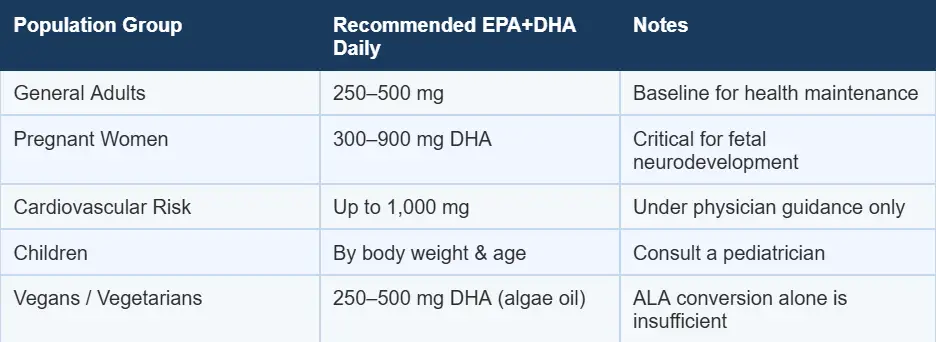
Recommended daily intake varies by age, sex, and health status. Most health organisations suggest the following general guidelines:
Several factors affect how much omega-3 an individual needs. Age affects fat absorption in older adults. Dietary patterns matter too; those with high omega-6 intake need more omega-3 to balance it out. Pregnancy and
inflammatory conditions also play a role. A healthcare provider can help determine the right amount based on personal health goals and lab results.
Tips to Prevent Omega-3 Deficiency
Preventing omega-3 deficiency is achievable through consistent, practical dietary habits:
- Eat omega-3-rich foods regularly: Aim for at least two servings of fatty fish per week. If you follow a plant-based diet, incorporate ground flaxseeds, chia seeds, and walnuts daily.
- Balance omega-6 intake: Reduce consumption of vegetable oils high in omega-6 (corn, soybean, sunflower) and replace them with olive oil or avocado oil, which are lower in omega-6.
- Choose healthy fats across meals: Prioritise whole food sources of fat over ultra-processed alternatives. Avocados, eggs, and nuts provide a broader spectrum of beneficial fatty acids.
- Consider supplements if needed: If dietary intake is consistently low, a daily fish oil or algae oil supplement can fill the gap. This is particularly relevant for people with restrictive diets, pregnant women, and older adults.
- Monitor your omega-6 to omega-3 ratio: Awareness of this ratio and working to keep it closer to 4:1 is one of the most impactful dietary strategies for long-term health.
Frequently Asked Questions
What are the first signs of omega-3 deficiency?
The earliest signs are typically skin-related dryness, flaking, and increased sensitivity. Many notice small variations in mood, energy, and focus before significant symptoms like joint pain or vision changes appear. Dry eyes are another early and often overlooked indicator.
Can omega-3 deficiency cause depression?
Yes, there is substantial research linking low omega-3 levels, particularly low EPA, to depression symptoms. Omega-3 influences neurotransmitter function and
inflammation in the brain, both of which are involved in mood regulation. While omega-3s aren’t a replacement for professional mental health care, they can support existing treatments.
How long does it take to correct an omega-3 deficiency?
With consistent dietary changes and supplementation, omega-3 levels in red blood cells can measurably improve within 4 to 12 weeks. Symptom improvement varies by individual and the severity of the deficiency. Some people see less skin dryness and better focus in a few weeks, but joint inflammation changes might take two to three months.
Is omega-3 deficiency common?
It’s believed that a big part of the global population, especially in the West, doesn’t consume enough omega-3. Low fish consumption, reliance on processed foods, and high omega-6 diets all contribute to widespread fatty acid imbalance. It is especially common among those following vegan or vegetarian diets without targeted supplementation.
Conclusion
Many people underestimate how common Omega-3 deficiency is, and its symptoms can include dry skin, joint pain, brain fog, depression, and higher heart risks. Because these symptoms can resemble those of other conditions, deficiency often goes unidentified for months or even years.
Maintaining balanced omega-3 fatty acid intake is one of the most impactful steps a person can take for long-term health. Focus on fatty fish, include plant-based omega-3s, and balance omega-6 and omega-3 to help reduce inflammation and enhance brain, heart, skin, and immune health.
If you recognise several of the symptoms described in this article, consider speaking with a healthcare professional. A blood test can check your omega-3 levels, and adjusting your diet or taking supplements can lead to improvements in just weeks. Small, consistent steps in nutrition today can prevent significant chronic disease risk down the line.




1 Comment
Travel Blog Rajan
March 16, 2026[…] omega-6, and reduced fish consumption have created an imbalance in fatty acid intake. As a result, omega-3 deficiency symptoms are increasingly being […]